Updated 16/07/2026
Lavender (Lavandula augustifolia) Essential Oil Benefits and Uses
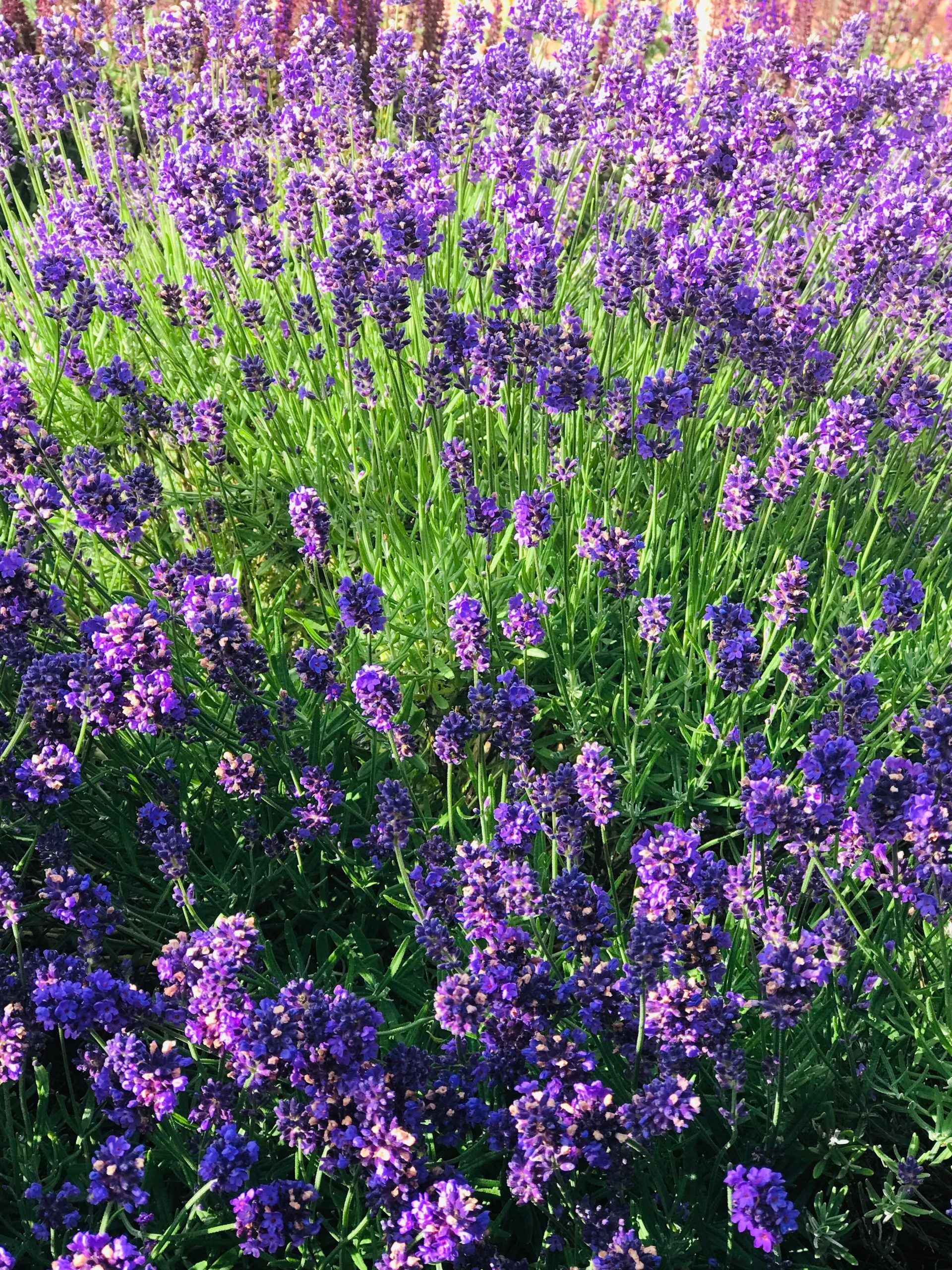
Lavender essential oil, primarily from Lavandula angustifolia (English lavender), is one of the most popular and versatile essential oils. Steam-distilled from the flowering tops of the plant, it has a soft, sweet, floral, herbaceous aroma with a medium strength (middle note). It is widely used in aromatherapy, skincare, and natural wellness for its calming and soothing properties.
Main Chemical Components: Linalool, linalyl acetate, lavandulol, and terpinen-4-ol. These contribute to its calming, anti-inflammatory, antimicrobial, and antioxidant effects.
Evidence-Based Benefits
Research supports several uses, with strongest evidence for anxiety and sleep:
- Anxiety & Stress Reduction: Inhalation or oral capsules (standardized) can lower cortisol, reduce anxiety (including preoperative and general stress), and promote relaxation.
- Sleep Improvement: Enhances sleep quality, helps fall asleep faster, and reduces restlessness, especially via aromatherapy.
- Pain Relief: Eases tension headaches, migraines, muscle pain, and minor aches when used topically (diluted) or inhaled.
- Skin Health: Antimicrobial and healing properties help with minor burns, cuts, wounds, acne, eczema, dryness, and irritation. Promotes wound healing and collagen production.
- Mood Support: May help reduce mild depression symptoms and uplift mood, often alongside anxiety relief.
- Other Benefits: Potential support for hair growth (alopecia areata), scalp health, blood pressure reduction, and as a natural insect repellent.
Benefits are most reliable with consistent aromatherapy or properly diluted topical use. Oral use should only be done with professional guidance and appropriate products.
Common Uses & How to Apply
Aromatherapy:
- Diffuse 3–10 drops in a diffuser.
- Add to a tissue, pillow, or inhale directly for calm and stress relief.
Topical / Massage:
- Dilute 2–5% in a carrier oil (jojoba, coconut, almond, etc.).
- Apply to temples for headaches, sore muscles, or wrists for calming.
- Use in massage blends for relaxation and muscle recovery.
Skincare:
- Add diluted drops to creams, serums, lotions, or balms for acne, irritation, burns, or eczema.
- Can be used in DIY face oils, bath bombs, or lip balms.
Sleep & Bath:
- Mist diluted oil on bedding or use in a diffuser before bed.
- Add a few diluted drops to bathwater (with Epsom salts or carrier oil) for relaxation.
Household:
- Natural room spray, linen freshener, cleaning spray, or closet sachets.
Blends Well With: Bergamot, chamomile, cedarwood, frankincense, geranium, lemon, peppermint, rosemary, vetiver, ylang ylang.
Safety & Precautions
Lavender is generally safe when used properly, but follow these guidelines:
- Always dilute before applying to skin to prevent irritation.
- Perform a patch test first.
- Avoid eyes, mucous membranes, and undiluted use.
- May cause skin irritation, headache, or nausea in sensitive individuals.
- Rare link to prepubertal gynecomastia with heavy topical use in boys — use caution with children.
- Consult a doctor if pregnant, breastfeeding, on sedatives, or managing hormone-sensitive conditions.
- Do not ingest unless using food-grade products under professional supervision.
- Keep away from pets that are sensitive to essential oils.
Quality Tip: Choose 100% pure, therapeutic-grade Lavandula angustifolia from reputable sources. Avoid synthetic versions.
Lavender is a gentle, multi-purpose oil with strong traditional use and growing scientific support, particularly for stress, sleep, and minor skin issues. It works best as a complementary tool alongside professional medical care for serious conditions.
The necessary caveat about essential oils