Benefits and Uses of Bergamot Essential Oil
What Is Bergamot Essential Oil?
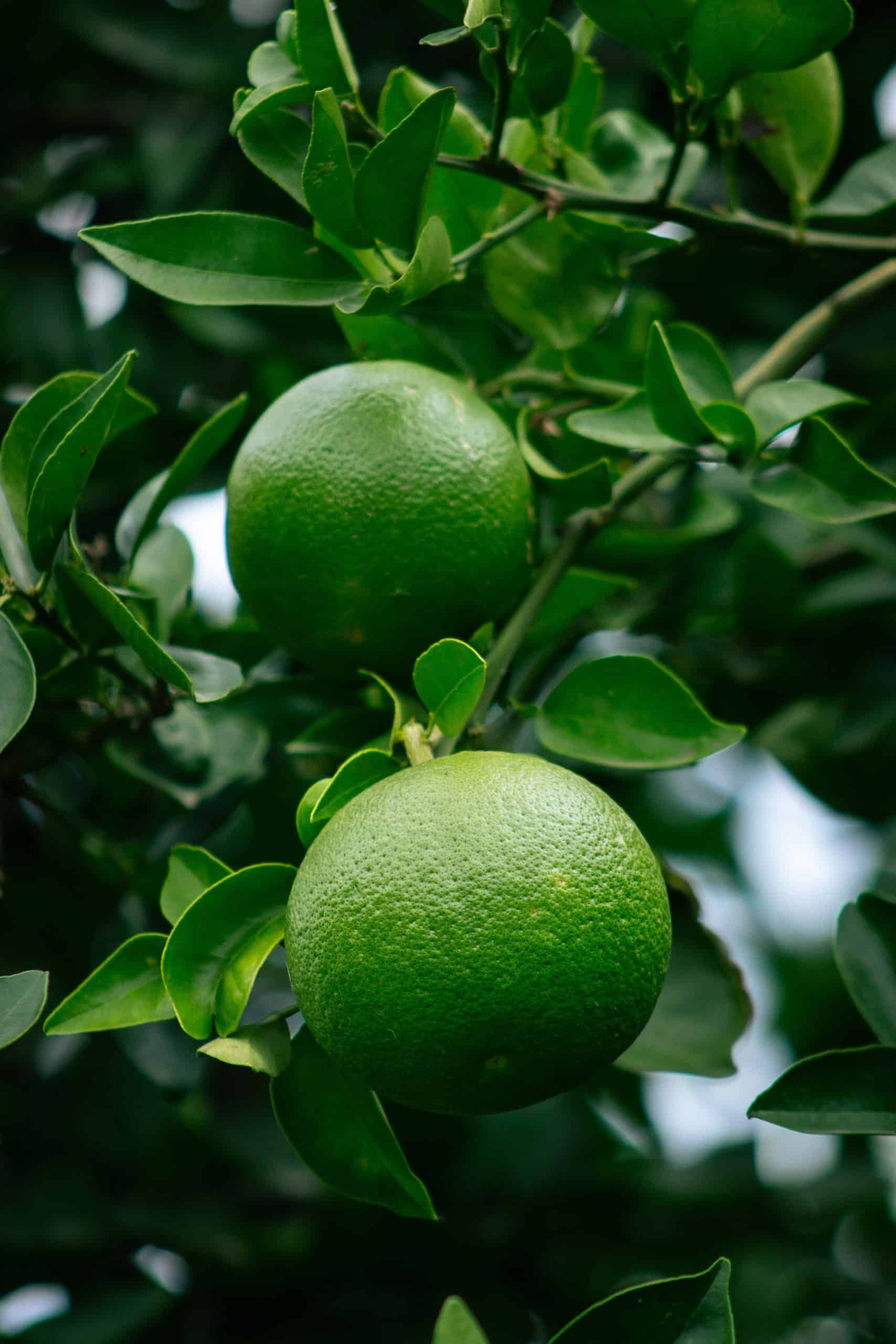
Bergamot essential oil comes from the cold-pressed peel of the bergamot fruit (Citrus bergamia), a citrus hybrid that looks like a cross between an orange and lemon. It grows mainly in southern Italy (especially Reggio di Calabria) but also in other regions.
It has a bright, fresh, citrusy aroma with floral and slightly spicy notes. This distinctive scent famously flavours Earl Grey tea and appears in many perfumes and colognes.
Main chemical compounds include:
- Limonene (≈30–37%)
- Linalyl acetate (≈30%)
- Linalool (≈9%)
- Others: γ-terpinene, β-pinene, α-pinene, etc.
These contribute to its aromatic, antimicrobial, and potential anti-inflammatory effects.
Note: Bergamot extract or polyphenol supplements (not the essential oil) are studied for internal benefits like cholesterol support. The essential oil is primarily for aromatherapy, topical use (diluted), and fragrance.
Key Benefits and Uses
Most benefits come from traditional use, aromatherapy, and preliminary or small-scale studies. Results are promising for mood but often mixed or limited for other claims. Bergamot oil is not a substitute for medical treatment.
- Mood, Stress, Anxiety & Sleep Support (Most Supported Use) Inhalation (diffuser or direct) often promotes relaxation, uplifts mood, reduces stress/fatigue, and may ease mild anxiety or depressive feelings. Small studies and trials link it to lower heart rate, blood pressure, cortisol, and improved emotional ease. It pairs well with lavender for calm. Recent research (including 2023–2025 studies) supports better sleep quality, reduced anxiety/stress, and mood improvement when used before bed or upon waking.
- Skincare Antimicrobial and anti-inflammatory properties may help with acne, blemishes, oily skin, minor wounds, eczema, or psoriasis (when properly diluted). Some anecdotal and limited evidence for soothing irritated skin or supporting healing. Highly phototoxic in regular form.
- Hair & Scalp Care May soothe itchy/irritated scalp, add shine, and support hair health (mostly anecdotal). Add a few drops to shampoo or dilute for scalp massage.
- Antimicrobial & Cleansing Lab studies show activity against certain bacteria and fungi. Useful in natural cleaners, deodorants, or diluted oral care (e.g., fresh breath). Limited evidence for fighting food-borne pathogens or fungal issues.
- Other Traditional/Preliminary Uses
- Pain relief and anti-inflammatory effects (linked to linalool).
- Respiratory comfort when diffused.
- Natural insect repellent or deodorizer (moderate effect).
- Massage for relaxation and muscle tension.
Cholesterol & Heart Health: Stronger evidence exists for bergamot extracts/supplements (polyphenols like melitidin and brutieridin), which may lower LDL, triglycerides, and total cholesterol while raising HDL — sometimes compared to mild statin-like effects. This does not apply directly to the essential oil.
How to Use Bergamot Essential Oil
- Aromatherapy/Diffusion: 5–10 drops in a diffuser (15–30 min sessions). Inhale directly from a tissue/cotton ball (2–3 drops) for quick mood boost. Add to room/linen sprays or candles.
- Topical: Always dilute to 1–2% in a carrier oil (e.g., jojoba, almond, coconut) — roughly 6–12 drops per ounce. Apply to pulse points, temples, or affected areas. Patch test first.
- Blends well with: Lavender (calming), lemon/orange (uplifting), cedarwood, tea tree, chamomile, clary sage, geranium, ylang-ylang.
- Hair/Skincare: Add diluted drops to shampoo, conditioner, lotions, or cleansers.
- Household: Dilute in cleaners or DIY deodorants.
- Bath: A few drops mixed with carrier or salt.
Never ingest essential oils unless under professional supervision — they can be toxic.
Safety and Precautions
Bergamot oil is generally well-tolerated when inhaled or properly diluted for short-term use.
Critical Warnings:
- Phototoxicity: Regular bergamot can cause severe skin burns, blisters, or pigmentation changes upon UV/sun exposure. Avoid sun/tanning for at least 12–24 hours after topical use. Solution: Use FCF (furanocoumarin-free) or bergapten-free versions for safer skincare — these have the phototoxic compounds removed and are non-phototoxic.
- Skin Irritation: Always dilute. Undiluted use may cause redness, burning, or allergic reactions. Do a patch test (apply diluted oil to inner forearm and wait 24 hours).
- Special Groups: Consult a doctor before use during pregnancy/breastfeeding, for young children, or if you have photosensitive conditions, medical issues, or take medications (possible interactions, e.g., with certain antibiotics or statins for extracts).
- Quality: Choose pure, therapeutic-grade, cold-pressed oil from reputable sources.
Rare side effects may include dizziness or (with excessive intake of bergamot products) heartburn/muscle issues.
Quick Summary
Bergamot essential oil is a versatile “sunshine” oil best known for:
- Uplifting mood, reducing stress/anxiety, and supporting relaxation/sleep via aromatherapy.
- Skincare support (acne, irritation) when diluted and using FCF version.
- Natural fragrance, cleaning, and deodorizing.
It’s a popular addition to diffusers, massages, perfumes, and DIY products. Start low and slow if you’re new to essential oils. For internal benefits (e.g., cholesterol) or health concerns, consult a healthcare provider and consider bergamot extracts instead of the essential oil.
The necessary caveat about essential oils