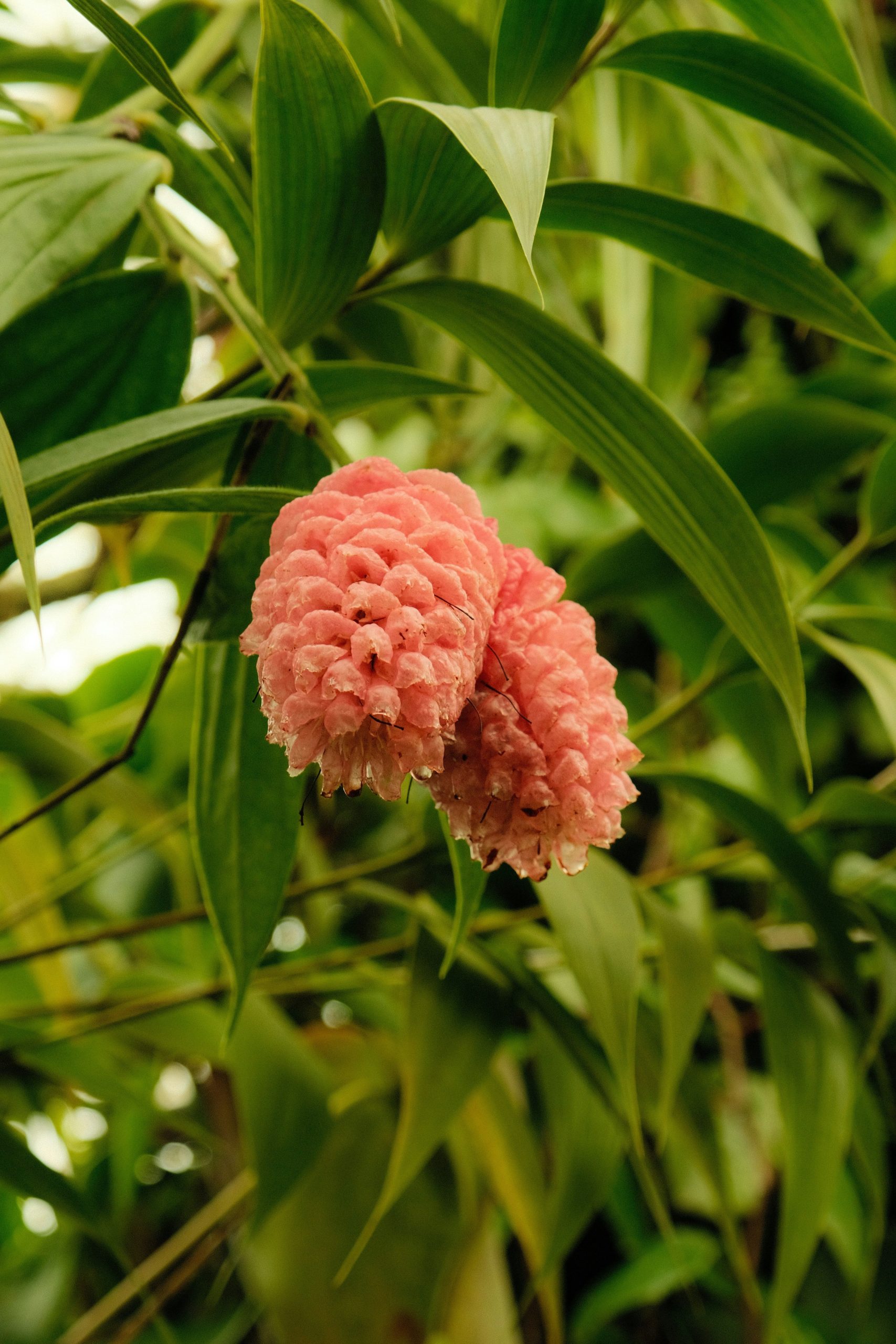
Ginger (Zingiber officinale) Essential Oil Benefits and Uses
Ginger essential oil is steam-distilled from the rhizome (root) of the Zingiber officinale plant. It has a warm, spicy, earthy, and slightly sweet aroma. It is widely used in aromatherapy, topical applications, and (when food-grade) as a flavouring. The FDA recognizes it as Generally Recognized as Safe (GRAS) when used appropriately.
Key Chemical Components
- Zingiberene (major sesquiterpene)
- β-Sesquiphellandrene
- Curcumene
- Gingerols and shogaols (more prominent in fresh ginger)
These compounds give the oil its antioxidant, anti-inflammatory, antimicrobial, analgesic, and warming properties.
Main Benefits (Supported by Traditional Use + Research)
- Nausea & Digestive Support — One of the strongest uses. Helps relieve nausea (motion sickness, postoperative, pregnancy-related), bloating, gas, indigestion, and stomach discomfort. Animal studies show significant gastroprotective effects (up to 85% ulcer inhibition in some models).
- Anti-inflammatory & Pain Relief — Reduces inflammation-induced pain, muscle soreness (including post-exercise), joint stiffness, and arthritis symptoms. Can lower prostaglandins associated with pain.
- Respiratory Health — Acts as a natural expectorant. Helps clear mucus, open airways, ease colds, cough, bronchitis, and congestion. Has antimicrobial and warming effects.
- Circulation & Warming — Stimulates blood flow, creates a warming sensation, and helps with cold hands/feet and muscle/joint comfort.
- Mood & Energy — Known as the “oil of empowerment.” Uplifts mood, reduces fatigue, stress, and anxiety, improves focus, motivation, and confidence. May influence serotonin receptors.
- Immune & Antioxidant Support — Combats oxidative stress and offers mild antibacterial/antifungal activity.
- Skin & Hair Benefits:
- Soothes inflammation and redness (helpful for acne, rosacea, eczema).
- Boosts circulation for a healthy glow and cell regeneration.
- Fights blemishes and balances sebum.
- Antioxidant effects support anti-aging (improves elasticity, reduces fine lines).
- Scalp health: stimulates hair growth, reduces dandruff, itchiness, and flaking.
- Other Potential Areas (mostly preclinical/animal evidence): Menstrual discomfort, liver protection, heart health support, and libido enhancement via improved circulation.
Popular Uses & Application Methods
Aromatherapy
- Diffuse 3–7 drops for nausea relief, energy, respiratory support, or mood uplift.
- Direct inhalation from a tissue or inhaler for quick nausea relief.
Topical
- Dilute 1–2% (1–2 drops per teaspoon of carrier oil such as coconut, jojoba, or almond).
- Massage into sore muscles, joints, abdomen (digestion), lower back, or cold feet.
- Add to baths (pre-diluted) for relaxation and warmth.
Blends Well With Orange, lemon, peppermint, eucalyptus, lavender, cinnamon, clove, frankincense, rosemary.
Skincare & Haircare
- Use low dilutions (0.5–2%) in facial serums, creams, or scalp oils.
- Good for spot treatment (acne), anti-aging blends, and scalp massages.
Culinary Only use food-grade ginger essential oil in very small amounts. Never ingest undiluted oil.
Safety & Precautions
- Always dilute before topical use. Ginger oil is warming and can cause skin irritation or sensitization.
- Perform a patch test before wider use.
- Avoid eyes, mucous membranes, and sensitive areas.
- May cause mild heartburn or stomach upset if ingested.
- Use caution if pregnant, nursing, on blood thinners, diabetes medication, or before surgery. Consult a healthcare professional.
- Not recommended for young children without guidance.
- Possible photosensitivity (rare).
- Keep away from pets and children.
- Do not ingest unless under professional supervision.
General Note: While ginger essential oil has a long history of traditional use and growing scientific support (especially for nausea, digestion, and inflammation), it is not a substitute for medical treatment. Results vary by individual. Consult a qualified aromatherapist or healthcare provider for therapeutic use.
The necessary caveat about essential oils