Updated 13/08/2026
Lemongrass (Cymbopogon flexuosus) Essential Oil
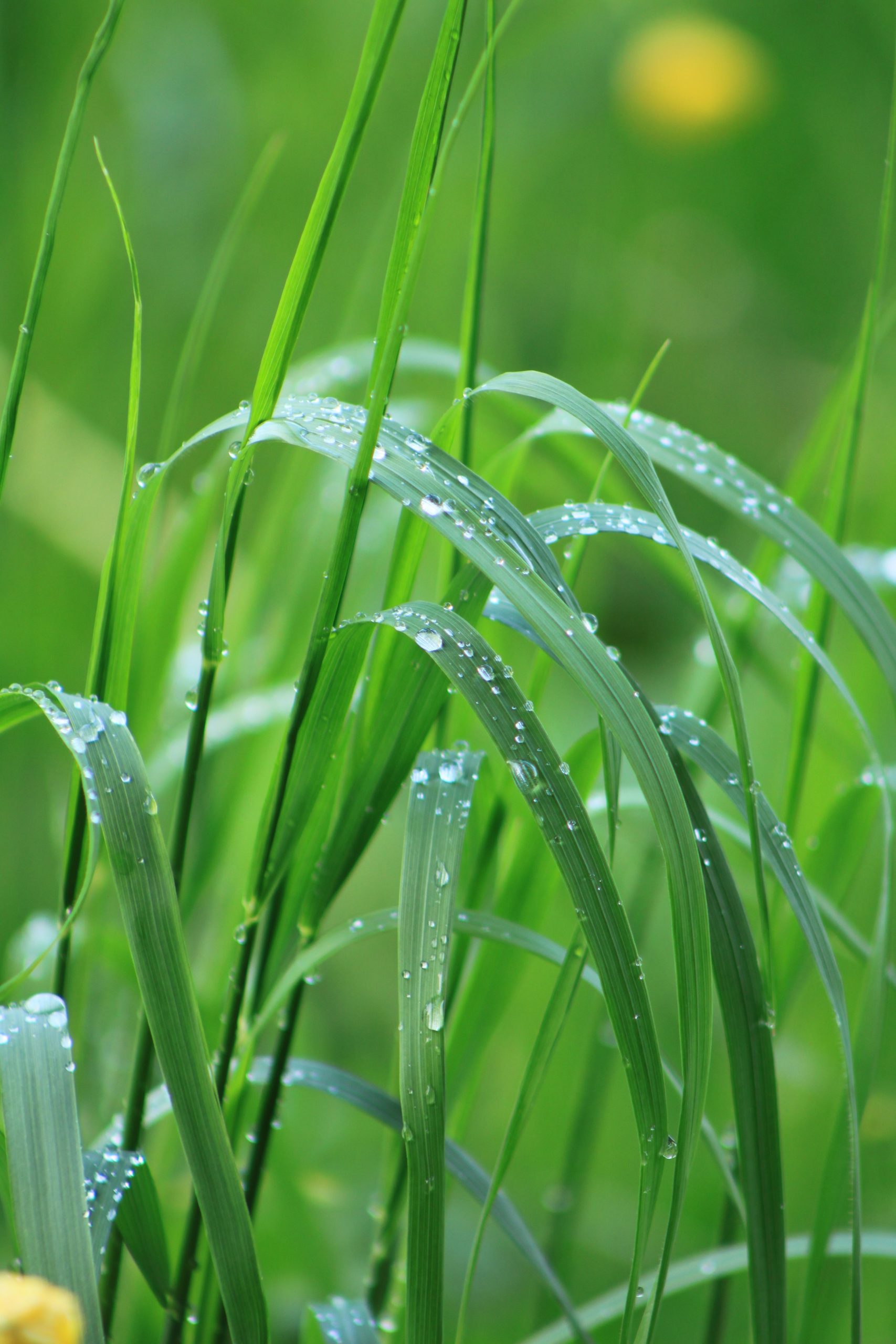
Lemongrass essential oil is steam-distilled from the leaves and stalks of the tropical grass Cymbopogon flexuosus (East Indian lemongrass), native to India and widely cultivated in tropical/subtropical regions. It has a fresh, citrusy, lemon-like scent with grassy and earthy undertones. The oil is popular in aromatherapy, skincare, natural cleaning, massage, and traditional medicine. It is distinct from culinary lemongrass herb or Cymbopogon citratus (often used in cooking/tea).
Chemical Composition
The primary active component is citral (a mixture of geranial and neral), typically making up 65–85% of the oil. Other key compounds include:
- Geraniol and Geranyl acetate — antimicrobial, antioxidant
- Myrcene — analgesic, anti-inflammatory
- Limonene — mood-enhancing, cleansing
- Linalool (smaller amounts) — calming
These contribute to the oil’s antimicrobial, anti-inflammatory, antioxidant, and uplifting properties. Composition can vary based on origin, growing conditions, and distillation method.
Key Benefits and Uses
Benefits are supported by traditional use, lab/animal studies, and limited human research. It is not a substitute for medical treatment—consult a healthcare professional for therapeutic use. More high-quality human studies are needed.
Antimicrobial (Antibacterial & Antifungal) Effective against bacteria (e.g., Staphylococcus aureus, E. coli) and fungi (e.g., Candida albicans). It can disrupt biofilms and is useful for:
- Minor skin infections, wound cleansing, athlete’s foot, nail fungus
- Oral care (gingivitis, bad breath)
- Natural preservatives, household cleaners, and surface disinfectants
Anti-inflammatory & Pain Relief Citral helps reduce inflammation and proinflammatory cytokines. May ease:
- Muscle soreness, joint stiffness, rheumatoid arthritis pain
- Headaches and tension
- Overuse strains
One small human study (2017) showed reduced arthritis pain with topical 3 mg application over 30 days.
Antioxidant Support Helps combat free radicals and oxidative stress, potentially benefiting skin (reducing wrinkles/photoaging) and overall cellular protection.
Mood, Stress & Mental Clarity Uplifting citrus aroma in aromatherapy may:
- Reduce anxiety, stress, and mental fatigue
- Improve focus, alertness, motivation, and energy
- Promote relaxation and better sleep
Insect Repellent Citral and geraniol deter mosquitoes, flies, ants, fleas, and mites. Effective in diffusers, sprays, or topical blends (up to ~98% protection in some studies when combined with carrier oils).
Skin & Hair Health Astringent, toning, and cleansing properties help with:
- Oily/blemish-prone skin, acne, enlarged pores
- Dandruff, itchy scalp, strengthened hair follicles
- Deodorising (targets odour-causing bacteria)
Use low dilutions (0.5% for face) to avoid irritation.
Digestive & Other Support Traditionally used (often as tea) for nausea, stomach issues, and ulcers. Preclinical studies suggest gastric protection, possible blood sugar/lipid regulation, and diuretic/detox effects. Do not ingest essential oil without professional guidance.
Additional Household Uses
- Natural cleaner/deodoriser for rooms, laundry, shoes, carpets
- Supports respiratory comfort when diffused (blends well with eucalyptus, peppermint, tea tree)
How to Use
- Diffusion/Aromatherapy: 3–6 drops in a diffuser for mood, focus, or air purification.
- Topical: Always dilute in carrier oil (coconut, jojoba, etc.) at 1–2% (6–12 drops per oz/30 ml) for massage or body use. Use ~0.5% for face. Patch test first. Add to lotions, shampoos, or baths (pre-dispersed).
- Cleaning: Add to sprays, surface cleaners, or laundry.
- Insect Repellent: Dilute in water/witch hazel spray or apply diluted topically.
- Ingestion: Not recommended for essential oil. Use lemongrass tea/herb instead under guidance.
- Massage/Bath: Blend with complementary oils; disperse before adding to bathwater.
Blends Well With
- Citrus: Lemon, lime, grapefruit, orange, bergamot
- Floral: Lavender, geranium, ylang ylang
- Woody: Cedarwood, sandalwood, cypress
- Herbaceous/Spicy: Basil, rosemary, peppermint, ginger, black pepper, cardamom
Safety and Precautions
Generally Recognized as Safe (GRAS) by FDA when used properly, but highly concentrated.
- Dilute properly — undiluted use risks irritation, rash, or sensitisation.
- Patch test 24 hours before wider use.
- Avoid eyes, mucous membranes, broken/inflamed skin, and face (unless very low dilution).
- Caution with sensitive skin, children, pets, asthma, pregnancy/breastfeeding (especially oral use).
- Not phototoxic (unlike some citrus oils).
- Keep away from open flames (flammable). Store out of reach of children/pets.
- Choose pure, therapeutic-grade oil from reputable sources.
Side Effects: Possible skin irritation, dryness, or stinging. Discontinue if reaction occurs. Consult a doctor before use with medical conditions or medications.
Summary
Lemongrass essential oil is a versatile, refreshing choice for natural cleaning, aromatherapy, skincare, muscle/joint support, and insect repulsion. Its strong antimicrobial and uplifting properties make it a household staple, but use it safely and diluted. While research (especially on citral) is promising, it complements—not replaces—professional medical care.
For best results, start with low dilutions and high-quality oil.
The necessary caveat about essential oils