Updated 16/09/2026
Orange (Citrus sinensis) Essential Oil Benefits and Uses
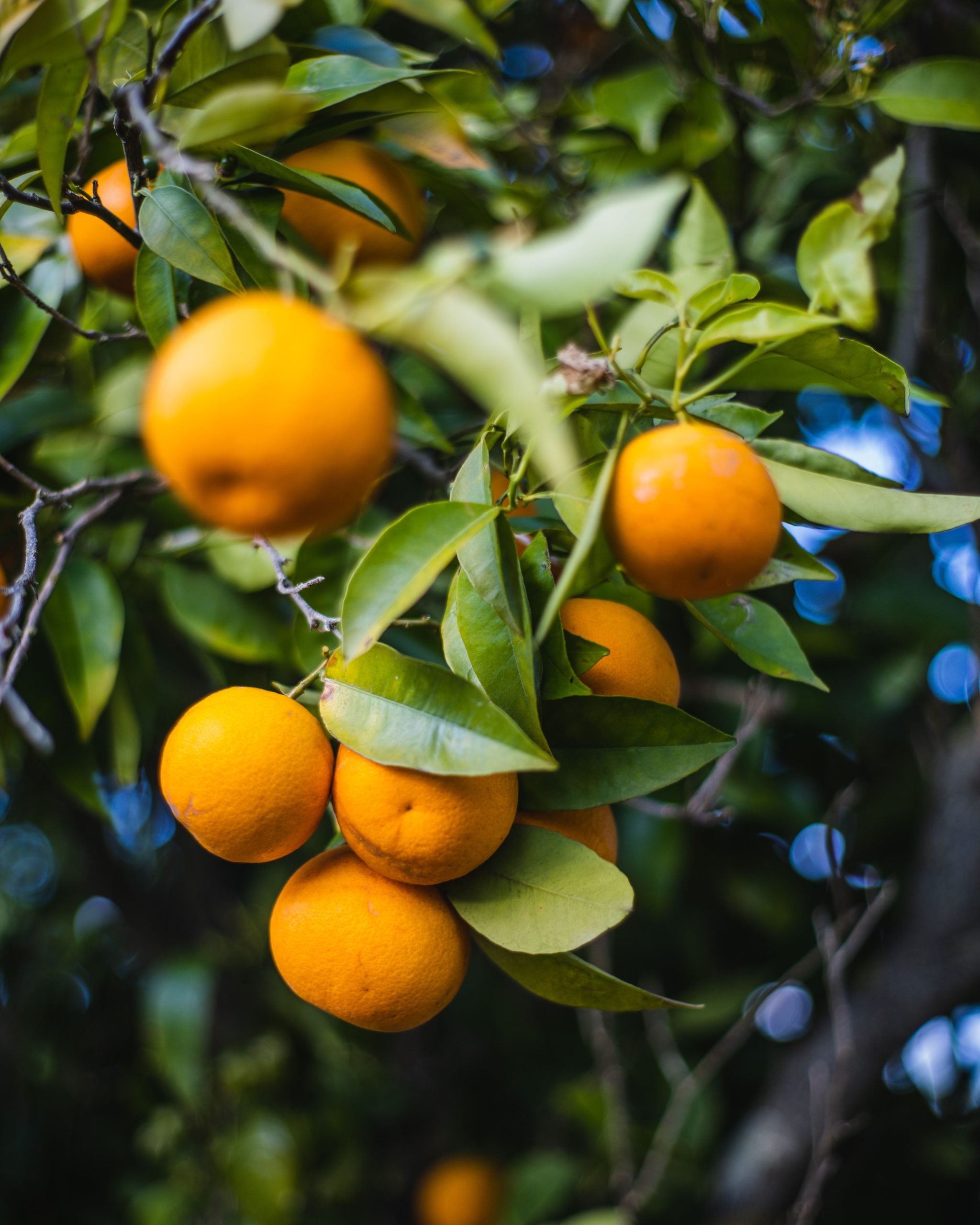
Orange essential oil, also known as sweet orange essential oil, is cold-pressed from the rind (peel) of sweet oranges (Citrus sinensis). It has a bright, sweet, citrusy aroma and is one of the most versatile and popular essential oils. Its primary active component is d-limonene (often ~90–95%), which contributes to its antioxidant, antimicrobial, and mood-supporting properties. It is widely used in aromatherapy, skincare, natural cleaning, soaps, candles, and as a flavouring agent.
Key Benefits
Research (mostly small-scale, in vitro, animal, or preliminary human studies) and traditional/anecdotal use support the following benefits:
- Mood Enhancement & Stress Reduction: Inhalation reduces anxiety, stress hormones, and depression-like symptoms. It promotes feelings of happiness, optimism, relaxation, and emotional balance. Studies show benefits during dental procedures, labour, and in animal models of depression.
- Antimicrobial & Purifying: Effective against bacteria (e.g., E. coli, Staphylococcus aureus), fungi, and some airborne pathogens. Useful for food preservation, air purification, and natural cleaning.
- Antioxidant & Skin Support: Protects against free radicals, may brighten skin, reduce acne-causing bacteria, support collagen, improve tone/radiance, and soothe minor irritation (when diluted). Beneficial for normal, oily, or combination skin.
- Anti-inflammatory & Pain Relief: May ease muscle/joint discomfort, inflammation, and fracture-related pain via inhalation or diluted topical use.
- Digestive Support: Traditionally used to relieve minor bloating, upset, or stress-related digestive issues when massaged (diluted) onto the abdomen.
- Other Potential Benefits: Insect repellent (e.g., ants, housefly larvae), possible support for exercise performance, weight management (preliminary animal data), and immune function. Limonene shows anticancer activity in laboratory studies, but more human research is needed.
Note: Many benefits are promising but require stronger clinical evidence. Essential oils complement, but do not replace, medical treatment.
Popular Uses
- Aromatherapy/Diffusion: Add 5–10 drops to a diffuser to uplift mood, reduce stress, or freshen air. Great alone or in blends.
- Topical/Massage: Dilute in a carrier oil (coconut, jojoba, etc.) at 1–3% (6–20 drops per oz). Use for massages, skincare, or abdominal application.
- Skincare: Add to cleansers, lotions, or spot treatments for brightening, cleansing, and balancing oily skin.
- Natural Cleaning: Mix with water (and optional vinegar/castile soap) for surfaces, degreasing, and deodorising. Excellent adhesive remover.
- Household & DIY: In soaps, candles, laundry, dishwashers, furniture polish, perfumes, bath products, or as a flavouring (food-grade, tiny amounts).
- Other: Insect control (direct contact for some pests) and deodorants (blends well with tea tree, lavender, etc.).
Blends Well With: Bergamot, lemon, lime, grapefruit, lavender, geranium, frankincense, cedarwood, sandalwood, patchouli, ylang ylang, ginger, cinnamon, clove, and other citrus/spice/woody oils.
Safety and Precautions
- Always Dilute: Never use undiluted on skin to avoid irritation.
- Patch Test: Test diluted oil on a small area first.
- Phototoxicity: Low risk for sweet orange (lower than bitter orange or some other citruses), but avoid direct sunlight/UV exposure on treated skin for 12–24 hours as a precaution.
- Storage: Keep in dark glass bottles away from heat/light to prevent oxidation (oxidised oil irritates more).
- Special Groups: Consult a healthcare professional if pregnant, breastfeeding, on medications, using on children, or around pets. Keep out of reach of children.
- Quality: Choose 100% pure, cold-pressed Citrus sinensis. Avoid products with unverified health claims.
- General: Use in well-ventilated areas. Avoid eyes and sensitive areas. Do not use old/oxidised oil.
Orange essential oil is generally safe when used properly and is prized for its uplifting, fresh scent and versatility in wellness and home care. For personalised advice, consult a qualified aromatherapist or healthcare provider.

The necessary caveat about essential oils