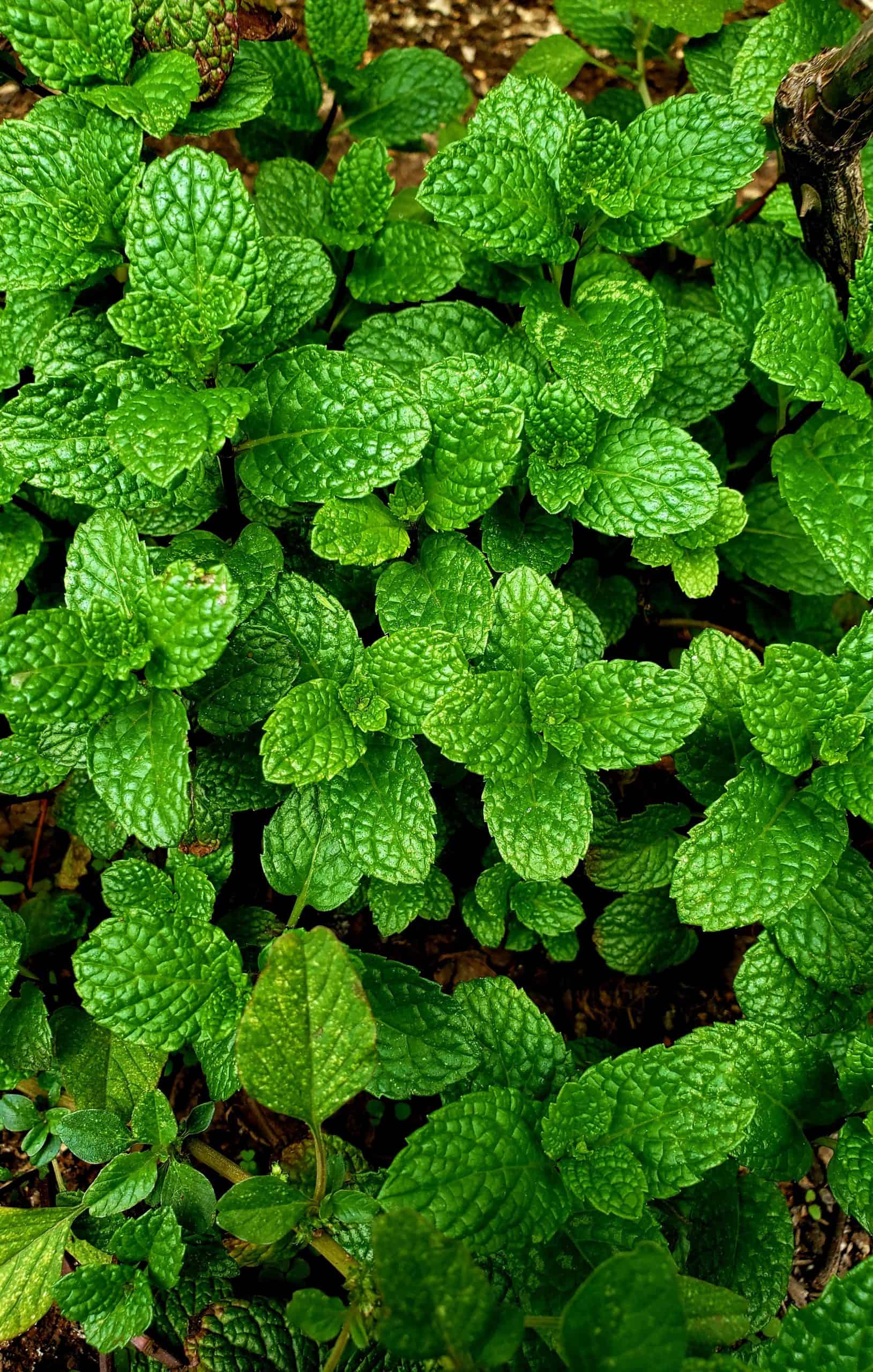
Peppermint (Mentha × piperita) Essential Oil: Benefits, Uses, and Safety
Peppermint essential oil is a concentrated steam-distilled extract from the leaves (and sometimes flowering parts) of the peppermint plant, a natural hybrid of Water Mint (Mentha aquatica) and spearmint (Mentha spicata). It has a sharp, cool, refreshing minty aroma and is widely used in aromatherapy, topical products, flavouring, and certain medicinal formulations. Its primary active constituents are menthol (typically ~30–50%) and menthone, along with smaller amounts of menthyl acetate, 1,8-cineole, and other compounds. These drive its characteristic cooling sensation (via TRPM8 receptors), antispasmodic, mild analgesic, antimicrobial, and decongestant effects.
Well-Supported Benefits
Evidence is strongest for the following:
- Irritable bowel syndrome (IBS) and digestive discomfort: Enteric-coated capsules are the best-studied form. Multiple meta-analyses and reviews of randomised trials show peppermint oil improves global IBS symptoms, abdominal pain, bloating, and related discomfort versus placebo. It primarily relaxes gastrointestinal smooth muscle (via calcium-channel blockade). The European Medicines Agency (EMA) supports oral use for minor belly spasms, flatulence, and abdominal pain (especially IBS) in adults; the American College of Gastroenterology has also recommended it for overall IBS symptoms. Typical study doses are around 180–200 mg multiple times daily for several weeks. Non-enteric forms can worsen heartburn.
- Tension headaches: Topical application of diluted oil to the forehead and temples provides relief comparable to some standard analgesics in studies. EMA supports this use for mild headaches in adults.
- Nausea: Inhalation (aromatherapy) can reduce postoperative or motion-related nausea. Evidence is mixed or limited for pregnancy-related nausea and more supportive in some chemotherapy contexts (reduced frequency/severity in certain trials). Oral medicinal doses lack strong safety data in pregnancy.
Supportive or more limited evidence also exists for easing localised muscle/joint aches and itching (topical cooling/analgesic effects), respiratory symptoms of colds/coughs (inhalation or chest rubs for decongestant/expectorant effects—traditional use recognised by EMA), and reducing spasms during certain procedures (e.g., endoscopy).
Other Reported or Preliminary Benefits
Laboratory, smaller clinical, or traditional evidence supports antioxidant, anti-inflammatory, and antimicrobial activity (stronger against some Gram-positive bacteria and certain fungi like Candida, though results are mixed and generally mild). Inhalation may promote alertness, mental clarity, and reduced fatigue. It is used in insect-repellent blends and for cooling/soothing effects in skincare, scalp/hair products (possible mild stimulation of circulation; limited human data on hair growth), and natural cleaning. Claims for broader uses (e.g., significant hair growth matching minoxidil, strong antiviral effects, or major cognitive enhancement) remain preliminary or anecdotal.
Common Ways to Use It
Always use high-quality, pure essential oil from a reputable source. Never ingest undiluted pure essential oil.
- Inhalation/aromatherapy: A few drops in a diffuser, personal inhaler, or on a cotton ball; or steam inhalation (1–2 drops in hot water, carefully). Useful for nausea, focus/energy, respiratory comfort, or mental clarity. Blends well with citrus (lemon, orange, grapefruit), lavender, rosemary, eucalyptus, tea tree, frankincense, basil, cedarwood, and cypress.
- Topical: Dilute heavily in a carrier oil (e.g., coconut, jojoba, almond)—typically 1–5% for adults (roughly 1–5 drops per teaspoon of carrier; lower for sensitive skin or facial use, often 1–2%). Apply to temples/forehead for headaches, muscles for aches, abdomen (well diluted) for digestive comfort, or intact skin for itch/cooling. Patch-test first. Avoid eyes, mucous membranes, and broken skin.
- Oral (medicinal): Only specially formulated enteric-coated capsules designed for gastrointestinal release (e.g., for IBS). Follow product dosing or professional advice. Do not swallow plain essential oil drops.
- Other: Occasional use in diluted mouth rinses, personal-care products, foot creams, or homemade cleaners/repellents (e.g., water + 10–15 drops in a spray for insects).
Typical adult topical or inhalation use is short-term. Quality and composition of commercial oils can vary; choose tested products listing the Latin name (Mentha × piperita or Mentha piperita), origin, and purity.
Safety, Side Effects, and Precautions
Peppermint oil is generally well-tolerated at recommended doses and has GRAS status for food use in small amounts. Common side effects include:
- Oral: Heartburn/acid reflux (menthol can relax the lower oesophageal sphincter), dry mouth, nausea, abdominal discomfort.
- Topical: Skin irritation, redness, or allergic contact dermatitis (more likely if undiluted or in sensitive individuals).
- Inhalation: Possible airway irritation in sensitive people.
Key warnings:
- Infants and young children: Avoid entirely under age 2 (risk of breathing difficulties, apnoea, or laryngospasm from menthol near the face). Restrictions often apply up to age 8–11 or higher depending on use/route. Never apply to the face or chest of young children.
- Pregnancy and breastfeeding: Stick to food amounts. Medicinal oral or concentrated use lacks sufficient safety data—consult a healthcare provider. Menthol should not reach an infant’s face; wipe off any residual oil before nursing.
- Avoid or use caution with GERD/reflux, hiatal hernia, gallbladder issues, liver disease, achlorhydria, known mint/menthol allergy, G6PD deficiency, epilepsy, or cardiac rhythm disorders. May interact with certain medications (e.g., cyclosporine, some statins, ketoconazole, drugs metabolized by CYP3A4, or acid-reducing agents that can affect enteric coatings).
- Keep away from eyes (rinse thoroughly with water if contact occurs). Store out of reach of children and pets (aromatherapy can be toxic to dogs and cats). Overdose (especially oral) can cause serious toxicity, including neurological symptoms. Large doses of menthol are poisonous.
- Peppermint oil is stimulating and may interfere with sleep if used heavily in the evening.
This is not medical advice. Individual responses vary; essential oils are not substitutes for professional diagnosis or treatment. Consult a qualified healthcare provider before therapeutic use, especially for IBS, chronic conditions, children, pregnancy, breastfeeding, or if taking medications.
Summary: Peppermint essential oil is valued for its invigorating, cooling, and refreshing properties. The strongest clinical support is for enteric-coated capsules in IBS symptom relief and topical use for tension headaches, with additional traditional and supportive evidence for nausea (inhalation), muscle/itch comfort, and respiratory ease. When properly diluted and used appropriately, it is a versatile option for aromatherapy, topical application, and selected oral formulations. Always prioritize quality, dilution, and safety precautions.

Peppermint Essential Oil
Peppermint Essential Oil (Mentha × piperita) Cool. Clear. Clinically supported.
The necessary caveat about essential oils