Updated 03/07/2026
Jasmine (Jasminum officinale) Essential Oil Benefits and Uses
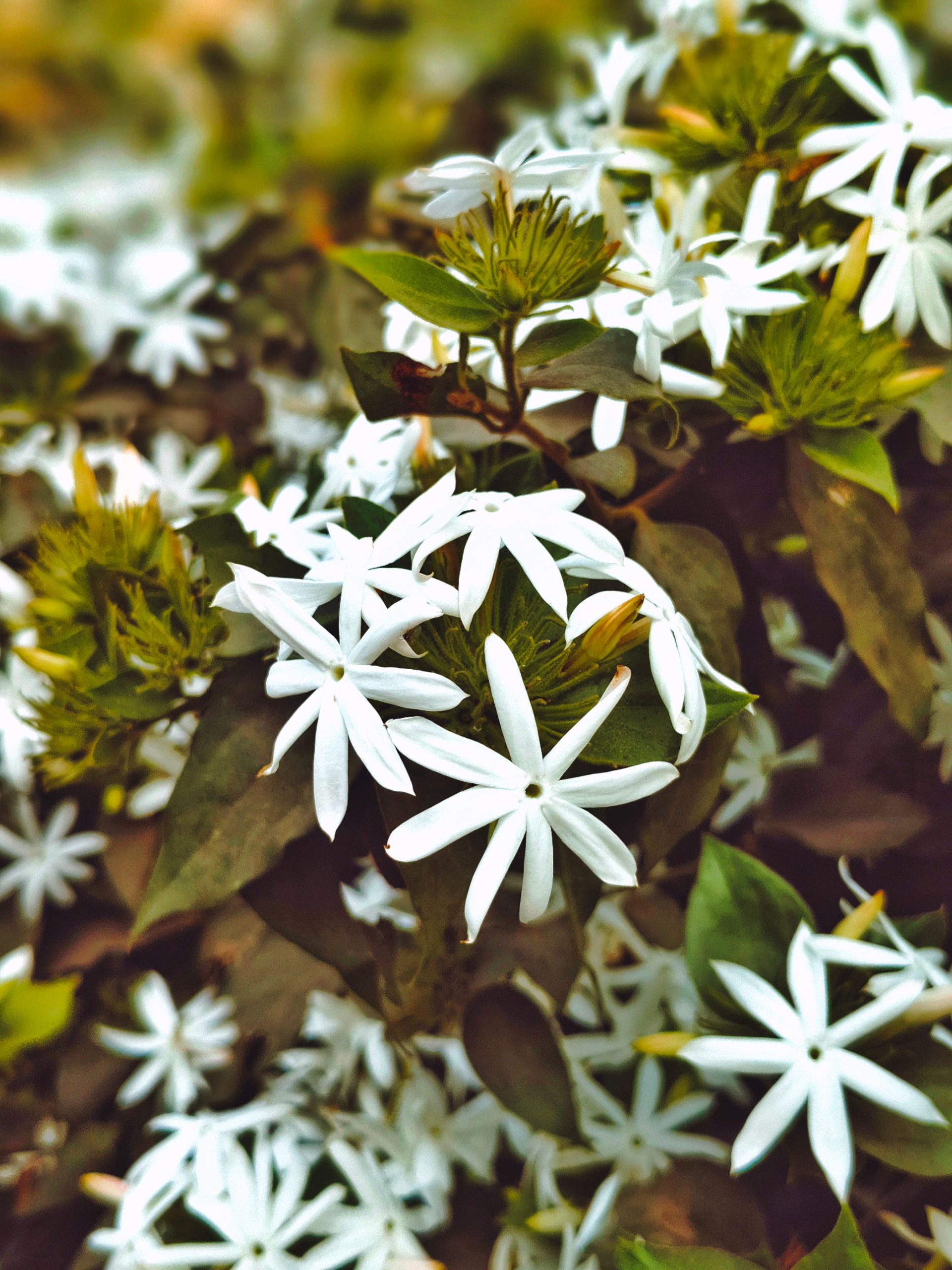
Jasmine essential oil, often produced as a jasmine absolute, comes from the delicate white flowers of Jasminum officinale (common or poet’s jasmine). Because the flowers are fragile and yield very little oil through steam distillation, solvent extraction is typically used to create a highly concentrated absolute.
It is prized for its rich, sweet, warm, exotic, and intensely floral aroma that is strongest at night. Jasmine is one of the most expensive aromatic oils due to the thousands of flowers required for a small amount. It is widely used in luxury perfumery, aromatherapy, skincare, and emotional wellness.
Key Chemical Components
- Benzyl acetate (often 60-70%, major component)
- Linalool
- Benzyl alcohol
- Indole
- cis-Jasmone
- Various esters and alcohols
These compounds give jasmine its complex scent and contribute to its potential effects.
Top Benefits
Benefits are primarily based on traditional use, anecdotal evidence, and limited scientific studies. Results vary by individual.
- Mood Enhancement & Stress Relief Uplifting and balancing. May reduce anxiety, depression symptoms, and nervous exhaustion while promoting optimism, confidence, and emotional well-being. A 2010 study showed jasmine oil massage increased alertness, breathing rate, and blood pressure with improved mood.
- Aphrodisiac & Sensual Effects Long used to enhance romance, intimacy, and libido due to its intoxicating scent. May create a calming yet arousing atmosphere.
- Sleep & Relaxation Support Mixed effects — can be stimulating at higher concentrations but calming at lower ones. Often helps quiet mental chatter, reduce irritability, and support better sleep when blended with relaxing oils.
- Skincare Soothes dry, sensitive, or irritated skin. May support wound healing (cicatrizant), act as a mild antiseptic, reduce scars, improve elasticity, and provide antioxidant benefits. Popular in facial oils, lotions, and creams.
- Other Traditional Uses
- Relief from menstrual discomfort and menopause symptoms
- Mild analgesic/anti-inflammatory effects for muscle aches
- Hair conditioning and scalp moisturizing
- Antimicrobial properties (lab studies show activity against certain bacteria)
- Historically used to support labour (strengthens contractions) — but avoided during pregnancy
Common Uses & How to Apply
Aromatherapy
- Diffuser: 3–5 drops
- Direct inhalation from bottle or tissue
Topical Use (Always dilute)
- General dilution: 1–2% (6–12 drops per ounce / ~30 ml carrier oil)
- Massage oil: 1–2 drops per teaspoon of carrier
- Facial/sensitive skin: 0.5–1% dilution
Bath Mix 4–5 drops with a dispersant (milk, carrier oil, or bath salts) before adding to water.
Perfume & Body Products Add to roll-on perfumes, lotions, body butters, or hair oils.
Best Carrier Oils Jojoba, sweet almond, coconut, apricot kernel.
Blends Well With
- Floral: Lavender, Rose, Ylang-ylang
- Woody: Sandalwood, Patchouli, Vetiver
- Citrus: Bergamot, Sweet Orange, Naartjie, Lemon
- Others: Frankincense, Clary Sage, Geranium
Example Blends
- Calming/Euphoric Diffuser: 2 drops Jasmine + 3 drops Lemon + 2 drops May Chang
- Sensual Massage: 1 drop Jasmine + 2 drops Patchouli + 6 drops Orange (in 20 ml carrier)
- Facial Oil for Dry/Mature Skin: 1 drop Jasmine + 1 drop Sandalwood + 2 drops Naartjie
Safety & Precautions
- Always dilute — undiluted use can cause irritation or sensitization.
- Perform a patch test (diluted oil on inner forearm, wait 24 hours).
- For external use only. Do not ingest unless under professional supervision.
- Pregnancy/Breastfeeding: Avoid during pregnancy (may stimulate contractions); consult a doctor. May be useful during labor under guidance.
- Keep away from children, pets, eyes, and mucous membranes.
- Possible side effects: Rare headaches, nausea (if overused), or allergic reactions.
- Store in a cool, dark place in amber/cobalt glass.
Note: Jasmine absolute is potent — a little goes a long way. While pleasant and supportive in aromatherapy, it is not a substitute for medical treatment. Consult a healthcare provider or qualified aromatherapist for specific health concerns.

The necessary caveat about essential oils