Updated 23/07/2026
Lemon Balm (Melissa officinalis) Essential Oil Benefits and Uses
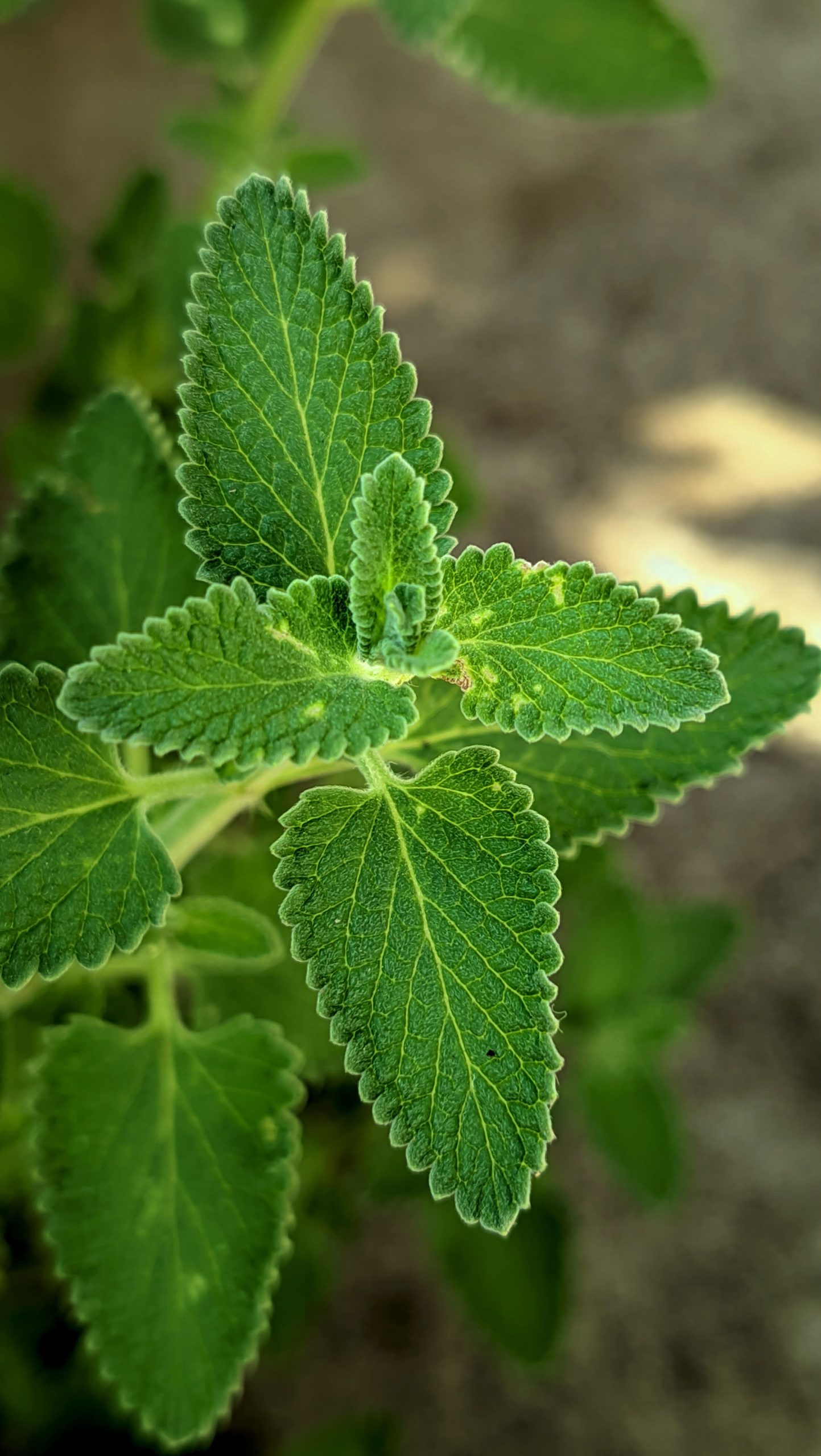
Lemon Balm essential oil, also known as Melissa oil, is steam-distilled from the leaves and flowering tops of the Melissa officinalis plant (mint family). It has a fresh, sweet, citrusy-lemon aroma with herbal notes. Due to very low oil yields during distillation, it is one of the more expensive essential oils. It is highly valued in aromatherapy for its calming, uplifting, and skin-supporting properties.
Key Chemical Components
- Monoterpene aldehydes: Citral (neral + geranial), citronellal
- Other compounds: Geraniol, linalool, citronellol
- Phenolic acids (chlorogenic, caffeic, rosmarinic) and flavonoids (quercetin, luteolin)
These give the oil its calming, anti-inflammatory, antimicrobial, antioxidant, and antiviral qualities.
Main Benefits
1. Relaxation & Stress/Anxiety Relief Helps reduce nervousness, tension, and agitation. Promotes emotional balance and calm. Useful for stress, overwhelm, and even dementia-related agitation.
2. Sleep Support Its relaxing aroma aids insomnia, restlessness, and racing thoughts. Excellent for bedtime routines.
3. Mood Enhancement & Cognitive Support Uplifts mood, reduces mental fatigue, and may support focus, memory, and clarity. Historically regarded as a “ruler of the brain.”
4. Skin Health
- Strong antiviral action, especially against cold sores (Herpes Simplex Virus).
- Soothes eczema, psoriasis, acne, redness, irritation, and insect bites.
- Antioxidant properties help protect skin from environmental stress.
5. Antimicrobial & Immune Support Shows activity against bacteria, fungi, and viruses in lab studies.
6. Digestive Comfort Traditionally used (via aroma or diluted topical application) for bloating, cramps, indigestion, and spasms.
7. Other Potential Benefits
- May help ease tension headaches and muscle discomfort.
- Some research suggests possible support for blood pressure, blood sugar regulation, and Alzheimer’s symptoms (more studies needed).
Note on Evidence: Many benefits come from traditional use and studies on the plant/extracts. Clinical evidence specifically for the essential oil is promising but often limited.
Common Ways to Use
- Diffusion/Aromatherapy: 2–5 drops in a diffuser for calm, meditation, or bedtime.
- Topical: Always dilute (1–2% max — roughly 1 drop per teaspoon of carrier oil like jojoba, coconut, or almond). Use in massage, baths, or skincare.
- Skincare: Add to creams, lotions, or lip balms for cold sores and irritated skin.
- Room Spray: Mix with water + dispersant.
- Massage: Diluted on neck, shoulders, temples, abdomen, or feet.
Blends Well With: Lavender, Chamomile, Bergamot, Sweet Orange, Frankincense, Cedarwood, Geranium, Ylang Ylang, Basil, Rose.
Safety & Precautions
- Always dilute before skin application. Perform a patch test.
- Do not ingest unless under professional supervision.
- Generally safe when used properly, but may cause skin irritation, redness, or sensitization if undiluted.
- Possible drowsiness — use caution when driving or operating machinery.
- Consult a doctor if pregnant, breastfeeding, on medication (especially thyroid or sedatives), have low blood pressure, or using on children.
- Keep away from eyes, mucous membranes, children, and pets.
Interesting Facts
- The name “Melissa” comes from the Greek word for “honeybee.” The plant has long been used to attract and support bees.
- Valued since ancient Greek and Roman times for mood and memory support.
- Thomas Jefferson grew lemon balm in his gardens.
Final Tip: Always choose high-quality, pure Melissa essential oil from reputable suppliers. It works best as a complementary wellness tool rather than a replacement for medical treatment. Start with low concentrations to see how your body responds.
The necessary caveat about essential oils