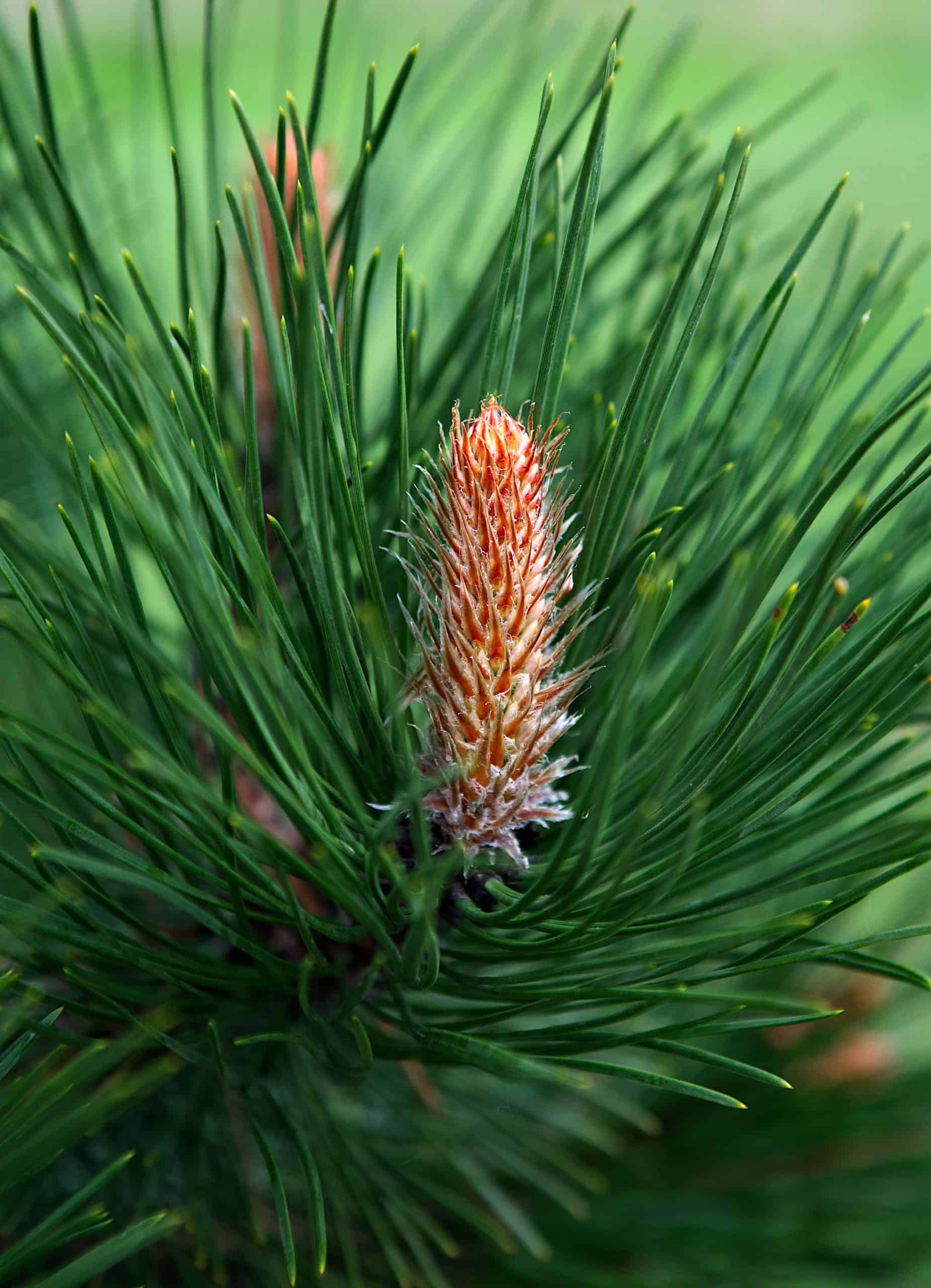
Pine (Pinus sylvestris) Essential Oil — Benefits and Uses
Scots pine (Pinus sylvestris) essential oil is steam-distilled primarily from the needles and young twigs of the Scots pine tree. It has a fresh, crisp, woody, resinous, and slightly balsamic “forest” aroma. The oil is rich in monoterpenes, notably α-pinene, β-pinene, δ-3-carene, and limonene. These compounds underpin its traditional and aromatherapy applications, though most supporting evidence comes from historical practice, in-vitro studies, and limited clinical data rather than large-scale human trials.
It is valued for its invigorating, clarifying character and is used in aromatherapy, personal care, soaps, natural cleaning products, and massage blends. Quality varies by origin and distillation method; pure Pinus sylvestris oil with a current GC/MS profile is preferred. Note that true essential oil differs from fragrance oils, pine tar, or turpentine.
Main Properties
- Expectorant / mucolytic / decongestant (supports mucus clearance, largely linked to α-pinene)
- Respiratory antiseptic (traditional support for colds, coughs, congestion)
- Mild tonic / stimulating / energising effect
- Analgesic, anti-inflammatory, and rubefacient (warming action that may increase local circulation)
- Antimicrobial (laboratory evidence against certain bacteria and some fungi)
- Lymphatic and circulatory support (traditional use)
- Uplifting and clarifying (mental clarity, reduced fatigue, “forest-bathing” type effect)
Key Benefits and Traditional Uses
Respiratory support Widely used for colds, flu, coughs (especially dry or irritative), bronchitis, sinus congestion, catarrh, and sore throat. Inhalation or diluted chest rubs are classic applications. It is traditionally regarded as a decongestant and expectorant that helps clear phlegm and ease breathing.
Musculoskeletal relief Diluted topical use for muscle aches, stiffness, fatigue, rheumatism, arthritis, gout, sciatica, and post-activity recovery. The warming rubefacient effect is particularly valued.
Energy, fatigue, and mood Helpful for physical or nervous exhaustion, low vitality, and mental fatigue. The crisp evergreen scent is associated with improved alertness, focus, and a sense of uplift. Often diffused or applied diluted over the lower back/kidney area in aromatherapy practice.
Circulation and lymphatic support Traditional use for heavy or tired legs, mild venous issues, and lymphatic congestion.
Skin, cleansing, and hygiene When properly diluted: minor cuts/sores, excessive perspiration, deodorant blends, and general cleansing. Antimicrobial properties support household cleaners. Some traditional references mention use against lice or scabies. Antioxidant and mild astringent effects are cited in cosmetic contexts for oily or congested skin, though evidence remains limited.
Air purification and emotional clearing Excellent in diffusion for freshening indoor air, creating a woodland atmosphere, supporting mental clarity, and reducing stale odours.
Typical Ways to Use
- Diffusion / inhalation: 3–6 drops in a diffuser (or 1–2 drops for steam inhalation) for respiratory support, energy, and air freshening. Ideal in winter or during colds. Avoid if you have asthma or whooping cough without professional advice.
- Topical / massage: Dilute to 1–3% (roughly 6–18 drops per 30 ml / 1 oz carrier oil such as jojoba, coconut, or almond). Apply to chest/back for respiratory issues or to sore muscles/joints. Always patch-test first.
- Bath: 4–8 drops pre-diluted in a carrier or solubiliser for a warming, invigorating bath.
- Cleaning blends: Add to natural surface cleaners for scent and antimicrobial contribution.
- Other: Room sprays, soaps, bath products, and deodorant formulations (best used as part of a blend rather than the sole dominant note).
Blends well with: Other conifers (fir, spruce, cypress, cedarwood), citrus (lemon, orange, bergamot, grapefruit), eucalyptus, rosemary, peppermint, lavender, tea tree, frankincense, juniper berry, and black pepper.
Internal use is practised in some European aromatherapy traditions under professional supervision only; it is generally not recommended for self-use.
Safety and Precautions
- High monoterpene content means the oil oxidises relatively quickly. Store cool and dark (refrigeration helps). Discard oxidised oil, as it can become a skin sensitiser.
- Always dilute for skin use; never apply undiluted. Patch-test. Can irritate skin or mucous membranes, especially if oxidised or used at high concentrations.
- Avoid or use extreme caution with asthma, sensitive airways, young children, pregnancy, or breastfeeding (limited safety data—consult a qualified professional). Keep away from eyes and mucous membranes.
- Do not ingest unless directed by a qualified healthcare professional. Keep out of reach of children and pets.
- Essential oils are concentrated; less is more. Seek medical advice for any serious condition.
This is not medical advice. Individual responses vary. Professional guidance is recommended for therapeutic applications.

Pine Essential Oil
Pine (Pinus sylvestris) Essential Oil The crisp, invigorating scent of the forest in every drop
The necessary caveat about essential oils