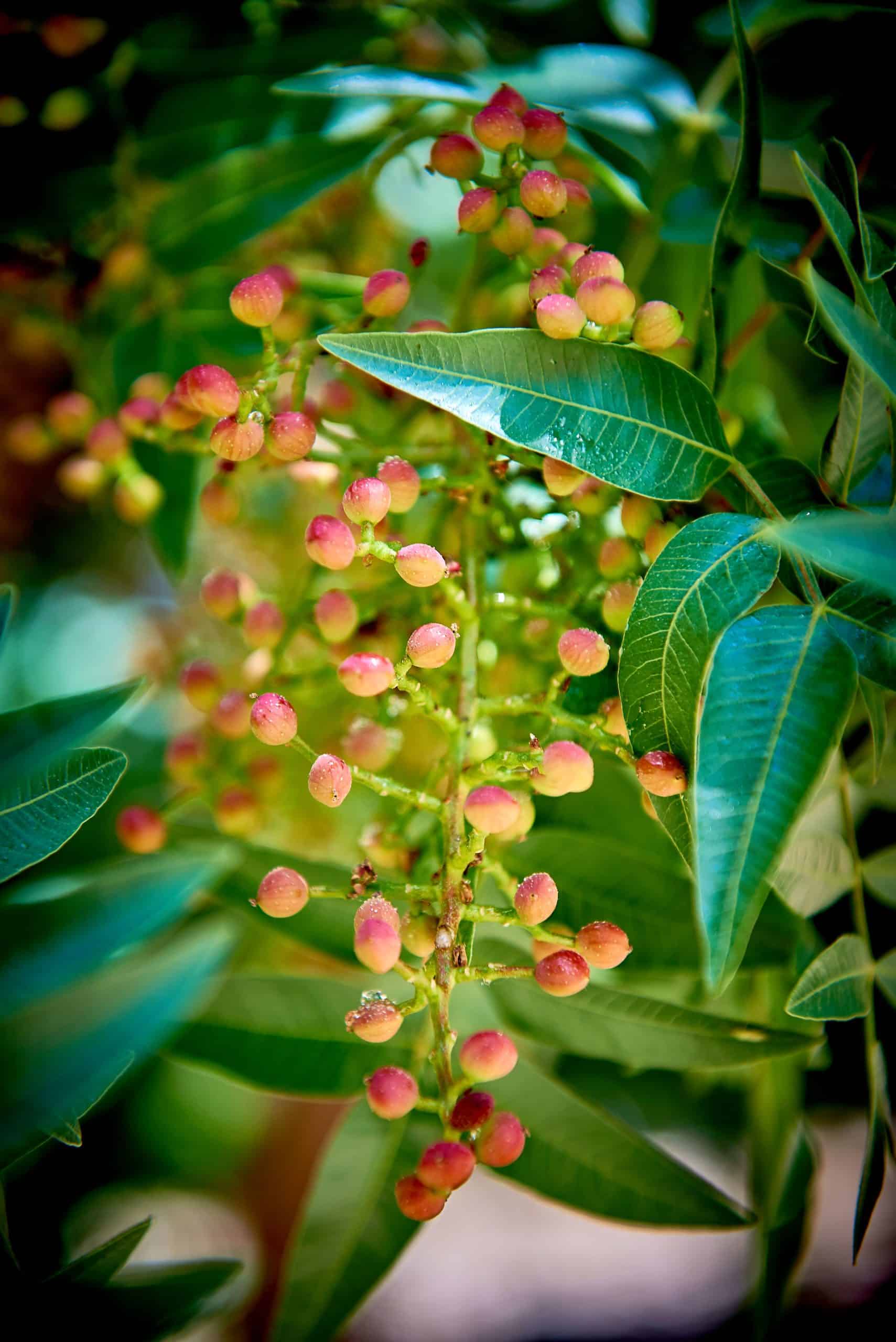
Pink Peppercorn (Schinus terebinthifolius) Essential Oil: Benefits and Uses
Pink peppercorn essential oil is steam-distilled (or occasionally CO₂-extracted) primarily from the dried pink berries of Schinus terebinthifolius Raddi, also known as Brazilian peppertree or aroeira. This South American tree belongs to the cashew family (Anacardiaceae) and is distinct from true black pepper (Piper nigrum). A closely related species, Schinus molle (Peruvian pepper), is sometimes sold under similar names and yields a different oil; always check the botanical name on the label for accurate identification.
The oil typically has a fresh, spicy, peppery aroma with slightly sweet, fruity, woody, green, citrusy or soft rosy undertones and a warm, invigorating character. It is classified as a top-to-middle note. Major constituents are usually monoterpenes such as α-phellandrene, limonene, α-pinene, β-phellandrene, p-cymene and δ-3-carene (composition varies with plant part, ripeness and origin).
Traditional and Reported Benefits
In South American folk medicine, parts of the plant (including oils and extracts) have been used for respiratory complaints, wounds, inflammation, infections, digestive issues, rheumatism/arthritis and as an antiseptic or tonic.
Commonly attributed or researched properties of the essential oil include:
- Anti-inflammatory and analgesic — Valued for muscular aches, stiffness, joint discomfort (including arthritis and rheumatism), sprains and sports recovery. Animal inhalation studies indicate pain-relieving effects partly via serotonergic pathways; components such as δ-3-carene and α-phellandrene contribute.
- Circulatory stimulant — Traditionally used to support circulation and produce a warming sensation in massage blends.
- Antimicrobial — Shows activity against various bacteria (e.g. Staphylococcus aureus, E. coli) and fungi; explored for skin concerns, wounds, respiratory support and as a natural preservative or deodorising agent.
- Expectorant and respiratory support — Used for colds, coughs, bronchitis and congestion.
- Digestive tonic — May help with bloating, colic, nausea or poor appetite in traditional contexts.
- Antioxidant — Demonstrated in vitro; of interest for cellular protection and food-preservation applications.
- Aromatic stimulant — Enhances alertness, stamina and mood when inhaled; can feel mildly energising or uplifting (less suitable before bedtime for some people). It may also feature in calming blends.
- Other areas — Preliminary in-vitro studies have noted cytotoxic/antiproliferative activity against certain cancer cell lines and potential insect-repellent properties. These findings are not clinical treatment claims.
The oil is sometimes used similarly to, or as a milder substitute for, black pepper essential oil in blends.
Common Uses
- Topical (always diluted) — In carrier oils (typically 0.5–5 % depending on application) for massage on sore muscles or joints, circulatory blends, or carefully diluted skin-care preparations. Its warming character suits pre-exercise or recovery formulas. It appears in natural deodorants, soaps, body washes, creams and lotions for its spicy-fresh scent and antimicrobial/antioxidant contributions.
- Aromatic diffusion and inhalation — To purify air, support focus, elevate mood or create an invigorating atmosphere. It pairs well with citrus, florals, other spices and woody oils.
- Perfumery — Provides a lively top-to-middle note that adds sparkle, warmth and sophistication to woody, citrus, floral or oriental fragrances.
- Other — Very low culinary flavouring (reflecting the spice use of the berries); experimental preservative applications; occasional diluted use in cleansing or insect-related preparations. Emotional/aromatherapy blends may target energy, mental clarity or release of tension.
Aroma Profile Summary
Fresh, peppery/spicy, slightly citrusy or fruity, woody/green, warm and invigorating. It offers a more delicate, nuanced character than black pepper oil and works well when a natural, energetic yet refined spicy note is desired.
Safety and Precautions
Essential oils are highly concentrated. Always dilute properly for skin use and perform a patch test. Do not apply neat. Store in a cool, dark, airtight container (preferably amber glass) to minimise oxidation, which can increase irritation risk.
- Skin irritation or sensitisation is possible, especially if the oil is oxidised. Avoid broken skin, eyes and mucous membranes.
- Allergy cross-reactivity — Significant risk exists for people allergic to cashews, pistachios or other Anacardiaceae family members; cross-sensitisation has been reported in a majority of tested individuals. Avoid the oil if such allergies are present, as reactions can be severe.
- Mild hypotensive potential has been noted in some reports. Not for internal use without professional guidance. Keep away from children and pets.
- Pregnancy, young children and those with medical conditions should consult a qualified practitioner before use.
- Quality is important: choose pure, correctly identified Schinus terebinthifolius oil from reputable sources.
Evidence ranges from traditional use and in-vitro/animal studies to limited human data. Pink peppercorn essential oil is not a substitute for medical treatment. For therapeutic applications, consult an aromatherapist, herbalist or healthcare professional familiar with essential oils.

Pink Peppercorn Essential Oil
Discover the invigorating sparkle of Pink Peppercorn Essential Oil
The necessary caveat about essential oils