Rose (Rosa spp.) Essential Oil: Benefits and Uses
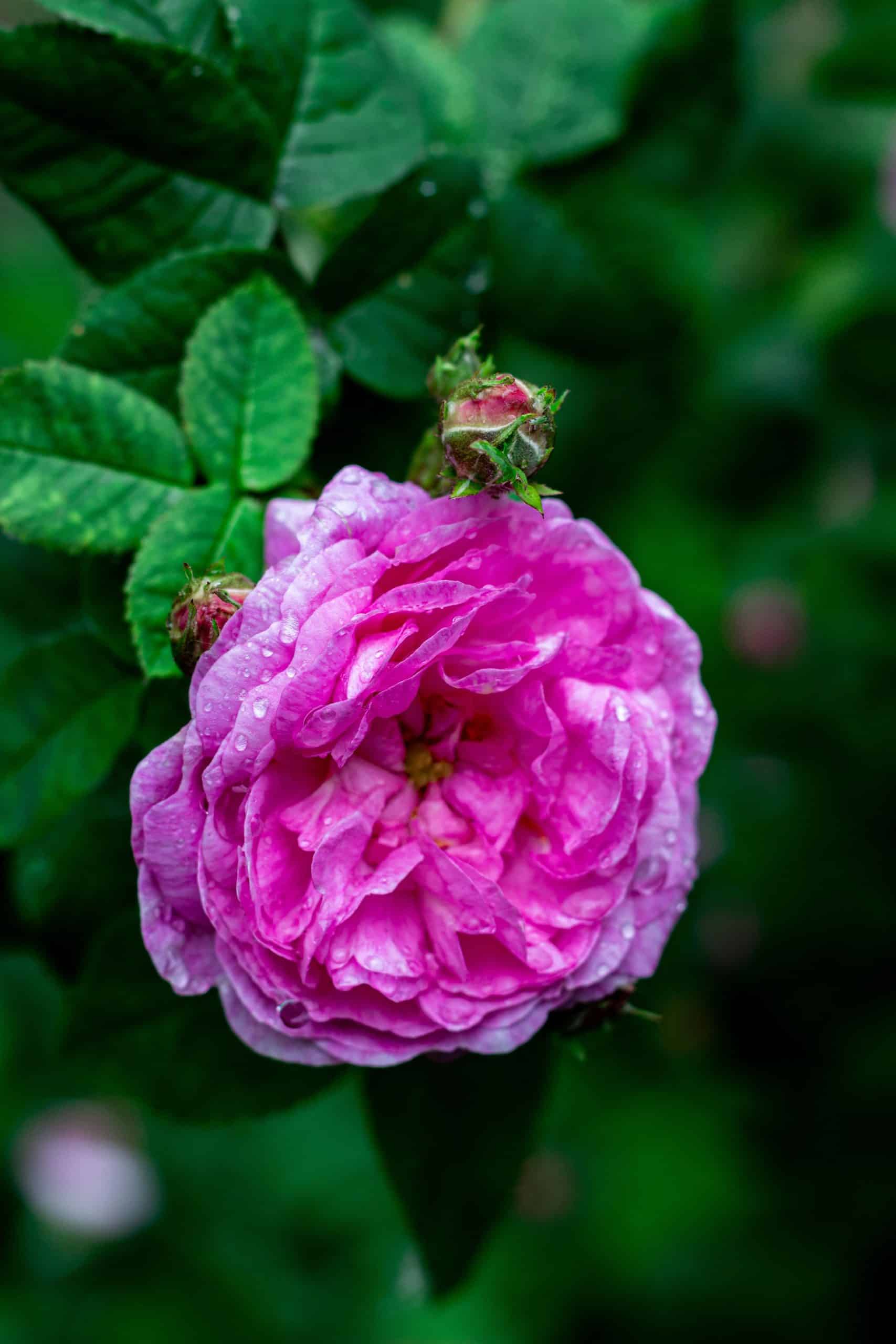
Rose essential oil, primarily from Rosa damascena (Damask rose) and sometimes Rosa centifolia (Cabbage or May rose) or related species, is a highly valued, complex aromatic oil obtained mainly by steam or hydro-distillation of rose petals. It ranks among the most expensive essential oils because of the large quantity of petals required—roughly 2,000 petals or around 30 blossoms yield a single drop. Its intricate chemistry typically includes over 200–275 compounds, with key constituents such as citronellol, geraniol, nerol, linalool and phenylethyl alcohol contributing to its characteristic rich, sweet, deeply floral aroma and reported effects. Rose absolute (solvent-extracted) differs from the true distilled essential oil (often called rose otto); the absolute has a richer, heavier scent and is more common in perfumery, while therapeutic references usually concern the distilled oil or the hydrosol (rose water).
Key Reported Benefits
Evidence is drawn mainly from small clinical trials, systematic reviews, traditional use, in-vitro and preclinical studies. Human data are limited in number and size; benefits should be viewed as complementary rather than definitive medical treatment. Larger, high-quality studies are still needed.
- Emotional and psychological support: Frequently studied for reducing anxiety, stress and promoting relaxation and better sleep quality. Meta-analyses and reviews of randomised trials indicate significant reductions in anxiety symptoms and stress with Rosa damascena aromatherapy (inhalation or diluted topical use). Some evidence supports mood elevation and potential benefits for depressive symptoms, including in contexts involving SSRIs. The aroma is traditionally linked to feelings of calm, comfort, emotional balance and uplift.
- Analgesic and pain-relieving effects: Clinical trials suggest it may help ease labour pain, primary dysmenorrhoea (menstrual pain), postoperative or procedural pain, and general discomfort when inhaled or applied topically in diluted form. Traditional and some modern use also points to support for muscle tension and headaches via massage or compresses.
- Skin health: Traditionally and in modern formulations used to soothe dry, irritated, mature or sensitive skin. It offers mild moisturising/emollient, anti-inflammatory and astringent/toning properties that may help with redness, conditions such as eczema or rosacea, and overall skin comfort. Antioxidant activity supports protective effects against oxidative stress; some research explores benefits for the appearance of fine lines and photo-ageing. Antimicrobial properties may contribute to formulations for blemish-prone skin, though it is not a treatment for infections.
- Antimicrobial and antioxidant activity: Laboratory and some in-vivo data show activity against certain bacteria (including strains linked to skin or other infections) and free radicals, supporting traditional antiseptic and protective uses.
- Women’s health and other traditional uses: Historically and in selected trials employed for menstrual comfort, labour support and aspects of sexual function or desire (with limited evidence, including studies in people taking antidepressants). Additional reported properties (mostly preclinical or traditional) include mild hypnotic, antitussive (cough-easing), neuroprotective, anti-inflammatory and potential anticonvulsant effects. Digestive comfort and mild wound-healing support appear in traditional accounts.
Common Uses
- Aromatherapy (inhalation): Diffuse a few drops, use in a personal inhaler or tissue, or add to baths for mood support, relaxation, stress reduction or sleep. Often studied in preoperative, labour or general well-being contexts.
- Topical and skincare: Always dilute (typically 0.5–2 % or lower for facial use; very low concentrations such as 0.01–1 % are sometimes recommended). Incorporate into facial serums, creams, lotions, body oils, balms or soaps for soothing, conditioning and fragrance. Suitable for dry, mature or sensitive skin when properly diluted.
- Massage, compresses and wellness products: Diluted in a carrier oil (e.g. jojoba, sweet almond or coconut) for muscle tension, women’s wellness applications or general body treatments.
- Cosmetics, perfumery and soap-making: Highly prized in high-end skincare, anti-ageing products and natural perfumes for its complex scent. It pairs well with sandalwood, jasmine, neroli, geranium, lavender, frankincense, patchouli and citrus oils. In natural soaps it is used at low levels because of cost and intensity.
- Other: Occasional traditional use for digestive or respiratory support via vapour, though evidence is weaker.
Safety and Precautions
Rose essential oil is generally well-tolerated in diluted form in clinical studies, with few reported side effects. However:
- Always dilute before skin application—undiluted use risks irritation or sensitisation (potential allergens include citronellol, geraniol, linalool and eugenol). Perform a patch test.
- Avoid contact with eyes, mucous membranes or broken skin.
- Use extra caution (or seek professional guidance) during pregnancy or breastfeeding, around young children, with pets, or for individuals with asthma or known sensitivities. Not for internal/ingestive use.
- Quality varies widely; choose pure, preferably GC/MS-tested oil from reputable sources, as adulteration is common due to cost. Store in dark glass bottles away from light.
- It is not a substitute for medical care. Consult a healthcare professional before therapeutic use, especially with existing conditions or medications. Certain constituents (e.g. eugenol) are subject to regulatory limits in finished products.
In summary, rose essential oil is especially valued for its luxurious floral fragrance, skin-soothing and conditioning effects, antioxidant and potential anti-inflammatory/antimicrobial activity, and supportive role in relaxation, emotional balance and women’s wellness applications. Its primary strength lies in sensory and complementary aromatherapy and gentle skincare use.

The necessary caveat about essential oils