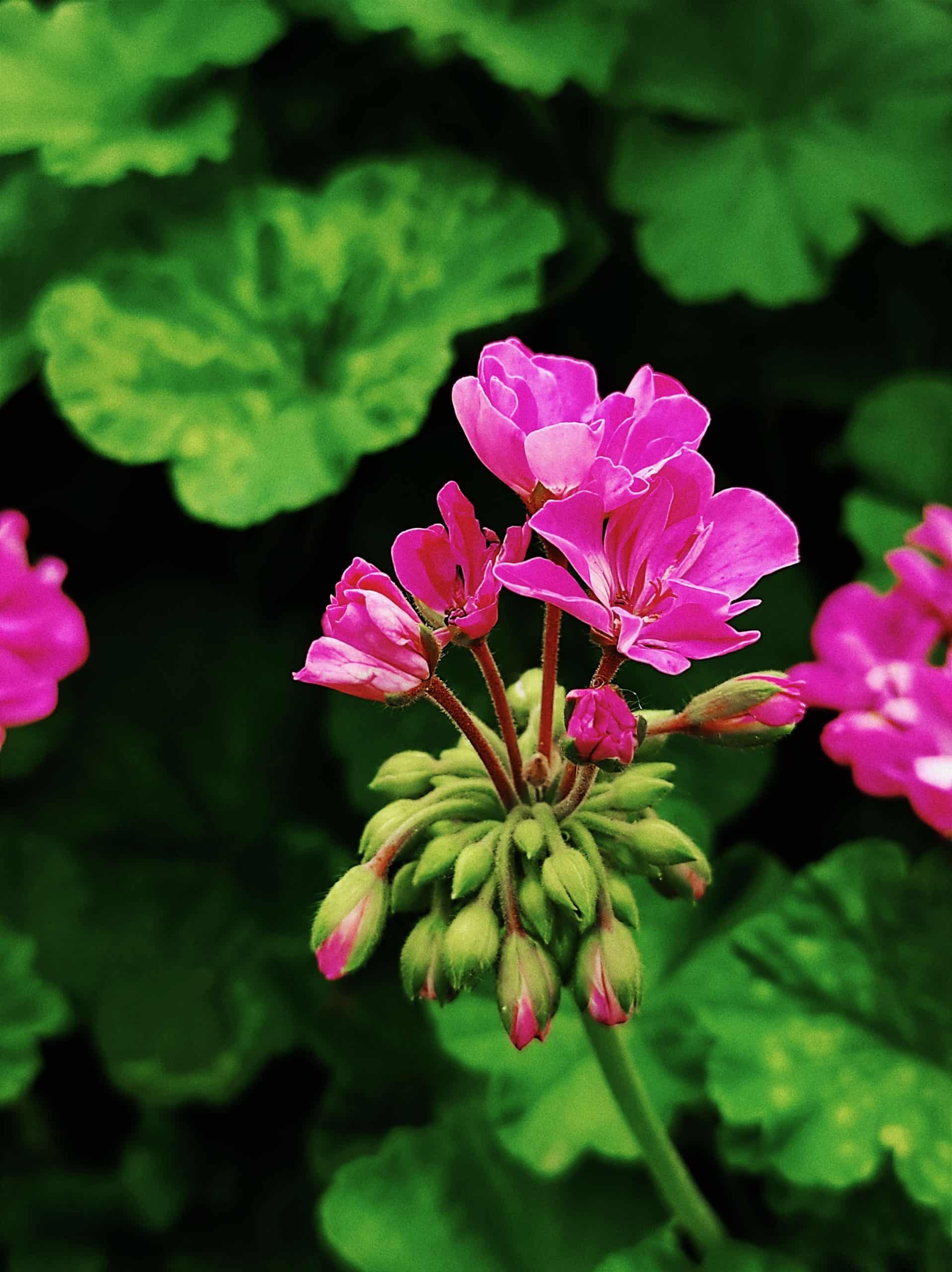
Rose Geranium (Pelargonium graveolens) Essential Oil: Benefits, Uses & Safety
Rose geranium essential oil is steam-distilled primarily from the leaves and aerial parts of Pelargonium graveolens (and closely related rose-scented chemotypes/hybrids), a plant native to southern Africa. It has a distinctive sweet, rosy-floral aroma with green, slightly minty or herbaceous notes. It is widely used in aromatherapy, skincare, natural personal-care products, and as a more affordable alternative to true rose oil in perfumery and cosmetics.
Major constituents typically include citronellol (often 20–30%), geraniol (15–25%), linalool, isomenthone/citronellyl formate, and related monoterpenoids. Composition varies by origin, cultivar, harvest stage, and chemotype. “Rose geranium” and “geranium” oils are closely related and often used interchangeably, though scent profiles can differ slightly.
Key Benefits
Evidence ranges from traditional use and laboratory (in vitro/in vivo) studies to a growing body of clinical research, particularly for aromatherapy applications. Many benefits are best viewed as supportive rather than curative; high-quality human trials remain limited for some claims.
- Skin support and dermatological effects: Demonstrates antimicrobial, antifungal, astringent, mild anti-inflammatory, and antioxidant activity. Traditional and experimental use includes support for acne, oily/combination or dry skin, sebum balancing, minor irritation, eczema-like concerns, minor wounds/cuts/burns, fungal issues, mature skin, and reducing the appearance of scars or uneven tone. It is valued as a tonic astringent and in formulations for dull, congested, or irritated-looking skin. Laboratory research supports antioxidant and anti-inflammatory effects relevant to skin health; clinical evidence is more limited but promising for certain dermatological applications.
- Emotional balance, stress, anxiety, and mood: Often described as both uplifting and calming. Clinical evidence (including randomised trials and systematic reviews) supports reduced anxiety scores (e.g., in labour or other stressful settings), lower perceived fatigue, and benefits for mood-related symptoms. Commonly used for tension, mild depression support, mood swings, and nervous exhaustion via inhalation or aromatherapy.
- Hormonal and women’s health support: Traditional aromatherapy and herbal use targets PMS, menstrual irregularities, and menopausal symptoms (including mood and tension). Some clinical data link it to improvements in PMS symptoms and possible effects on oestrogen-related markers. Strong clinical confirmation of direct hormonal mechanisms is limited. It is sometimes associated with adrenal support during prolonged stress.
- Antimicrobial, antifungal, and antioxidant properties: Lab studies show activity against various bacteria (including some Gram-positive strains such as Staphylococcus), fungi (including Candida and dermatophytes), and free-radical scavenging. These properties support skin cleansing, natural deodorant use, and hygiene applications. Some research also notes antiviral activity.
- Other reported effects: Preclinical work suggests anti-inflammatory, analgesic, possible antidiabetic/enzyme-inhibitory, and insect-repellent actions (including against certain ticks). Traditional literature mentions circulatory or lymphatic support (e.g., for mild oedema or cellulite appearance) and wound-healing (vulnerary) properties. Limited clinical observations exist for pain-related outcomes (e.g., temporary relief in some neuralgia contexts) and certain other conditions. A systematic review of clinical evidence found benefits mainly for anxiety, PMS, pain-related outcomes, and certain dermatological/oral conditions.
Common Uses
- Aromatherapy/diffusion: Add a few drops (typically 3–5) to a diffuser or personal inhaler for stress relief, mood support, or air freshening. Blends well with lavender, citrus oils (bergamot, orange, grapefruit), florals, frankincense, clary sage, or grounding oils such as patchouli or cedarwood.
- Topical/skincare: Always dilute (typically 1–3% or about 6–18 drops per ounce/30 ml of carrier oil such as jojoba, sweet almond, or fractionated coconut; lower for facial use, around 1–2%). Use in facial oils/serums, lotions, creams, massage blends, baths (diluted first in a dispersant such as carrier oil or salts), or targeted applications. Patch-test first. Suitable for natural deodorants, soaps, hair/scalp products (especially for oily scalp), and mature-skin formulations.
- Other: Natural deodorant ingredient (pairs especially well with tea tree, lavender, palmarosa, patchouli, bergamot, or cedarwood), insect-repellent blends, hydrosols/floral waters for gentler use, and as a rosy fragrance in candles, perfumes, or body products. Culinary or internal use of the pure essential oil is generally not recommended without qualified professional guidance.
Safety and Precautions
Rose geranium essential oil is generally well-tolerated when properly diluted. Possible skin irritation or sensitisation can occur—always dilute and perform a patch test. Avoid undiluted (“neat”) application. Use caution in pregnancy (consult a qualified practitioner; safety data are incomplete). Keep away from eyes and mucous membranes. It is not a substitute for medical treatment; consult a healthcare provider for health conditions, especially if taking medications or managing chronic issues. Keep away from pets (particularly cats) and consult a veterinarian before household use around animals. Quality matters: look for pure, properly labelled Pelargonium graveolens (or related rose-scented chemotypes) oil from reputable sources, ideally with GC-MS testing. Store in a cool, dark place.
Overall, rose geranium essential oil is valued for its pleasant rosy-floral scent combined with balancing, skin-supportive, antimicrobial, and calming properties, supported by a mix of traditional practice and emerging clinical evidence.

The necessary caveat about essential oils