Sandalwood (Amyris balsamifera) Essential Oil: Benefits, Uses & Guide
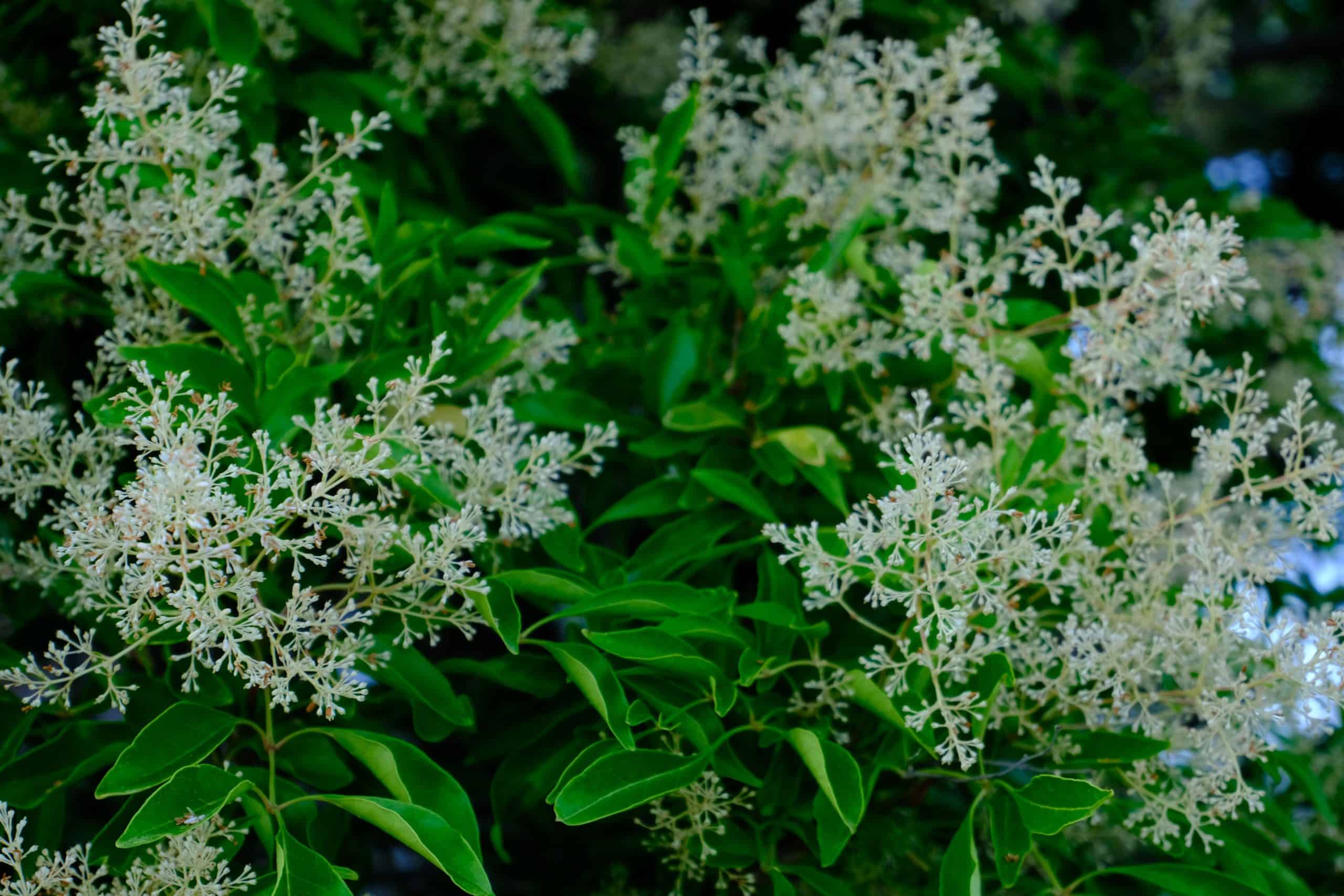
Amyris balsamifera essential oil (also called West Indian sandalwood, balsam torchwood, or candlewood oil) is steam-distilled from the wood of a Caribbean and Central American tree in the Rutaceae family. It is botanically unrelated to true sandalwood (Santalum album or S. spicatum). Amyris is widely used as a more affordable, sustainable alternative because of its warm, woody, balsamic aroma with soft vanilla-like or creamy undertones. It is sustainably harvested (notably in Haiti), supports local livelihoods, and offers a practical ethical option amid concerns over overharvested true sandalwood.
Key Characteristics
- Aroma: Soft, warm woody, balsamic, slightly sweet/vanilla-like or creamy-resinous; milder and drier than true sandalwood.
- Note: Base note and excellent natural fixative that helps other scents last longer.
- Main constituents: Sesquiterpene alcohols such as valerianol, elemol, and various eudesmol isomers (no significant santalols). Typical reported composition includes valerianol (~22%), β-eudesmol (~17%), γ-eudesmol (~11%), and elemol (~10%).
- Appearance/consistency: Thick/viscous, pale yellow to amber or yellowish-brown.
- Yield notes: Oil yield is typically 2–4% depending on wood age, part, and moisture; aged wood produces a smoother aroma than freshly distilled material.
Traditional and Aromatherapy Benefits
Reported properties come primarily from traditional aromatherapy practice, constituent chemistry, and limited laboratory studies. Clinical evidence specific to Amyris balsamifera is more limited than for true sandalwood. It is not a substitute for medical treatment.
Relaxation, stress relief & emotional support Calming, grounding, and mildly sedative effects may ease stress, tension, restlessness, and anxiety. Supports meditation, mindfulness, and a peaceful atmosphere. Often used to promote better sleep quality and mental clarity.
Skin & hair care Emollient and conditioning for dry, mature, or irritated skin. Antioxidant and mild anti-inflammatory effects from sesquiterpenes may support skin comfort, barrier function, and a more youthful appearance. Used in facial oils, body products, and some hair-care formulations for scalp support.
Circulatory & decongestant support Traditionally regarded as a lymphatic and venous decongestant; used diluted for heavy legs, varicose veins, or haemorrhoids. Mild muscle-relaxing qualities in massage blends.
Respiratory comfort May help with coughs and chest congestion when diffused or used in diluted chest rubs.
Other noted properties
- Mild antiseptic/antimicrobial activity (laboratory studies show activity against certain bacteria and fungi).
- Possible mild insect-repellent effects (linked to elemol).
- Anecdotal aphrodisiac reputation in low dilutions.
- Deodorising and fragrance-extending qualities.
Common Uses
- Aromatherapy & diffusion: Creates a calming, woody, grounding atmosphere for relaxation, meditation, sleep, or daily stress management.
- Natural perfumery: Outstanding base note and fixative in natural perfumes, soaps, candles, incense, and body products. Adds depth, creaminess, and longevity.
- Skin care & body care: Added (diluted) to lotions, creams, balms, facial oils, after-sun products, and massage oils.
- Massage & wellness: Grounding, warming fragrance in therapeutic massage blends.
- Home fragrance: Candles, wax melts, room sprays, and bath products.
- Hair & scalp: Occasional use in oils, masks, or conditioners.
- Other: Supporting ingredient in natural deodorants or cleaning sprays (due to mild antimicrobial character).
How to Use
Always dilute for topical use. Perform a patch test first.
- Diffusion: 3–6 drops (or up to ~10 drops per 100 ml water in an ultrasonic diffuser) for 20–30 minutes. Use alone or in blends.
- Topical / massage / skin: 1–3% dilution (roughly 6–18 drops per 30 ml / 1 oz carrier oil) for body; lower (1–2%) for face or leave-on products. Suitable carriers include jojoba, fractionated coconut, almond, rosehip, or argan.
- Bath: 5–10 drops mixed thoroughly with a dispersant (carrier oil, bath salts, or unscented shampoo) before adding to water.
- Inhalation: A drop or two on a tissue or cotton ball for a quick calming effect.
- DIY products: Incorporate into soaps, lotions, solid perfumes, body butters, or candles at appropriate low percentages.
Example blends (diffuser or appropriately diluted topical):
- Meditation/grounding: Amyris + frankincense + lavender.
- Sleep: Amyris + lavender + cedarwood.
- Romance/warming: Amyris + ylang-ylang + bergamot (or clary sage/neroli).
- Skin nourish: Amyris + frankincense + geranium in a facial carrier oil.
- Pairs especially well with cedarwood, lavender, frankincense, benzoin, ylang-ylang, rose/geranium, citrus (bergamot, orange), patchouli, vetiver, clove, and other woods/resins/florals.
Safety and Precautions
Generally considered mild, non-toxic, non-sensitising, and well-tolerated when properly diluted.
- Do not apply undiluted. Avoid eyes and mucous membranes.
- Not for internal use.
- Consult a qualified practitioner before use during pregnancy, breastfeeding, or with medical conditions. Some sources advise caution in the first trimester.
- Suitable for children only in appropriate low dilutions and with professional guidance.
- Discontinue if irritation occurs. Store in a cool, dark place away from children and pets.
- Quality varies—choose reputable suppliers that correctly identify Amyris balsamifera (not mislabelled as true sandalwood).
Amyris offers a practical, ethical, and aromatic alternative to true sandalwood for relaxation, skin care, natural perfumery, and home fragrance. Its warm, creamy-woody character makes it especially valued as a grounding base note and fixative.

The necessary caveat about essential oils