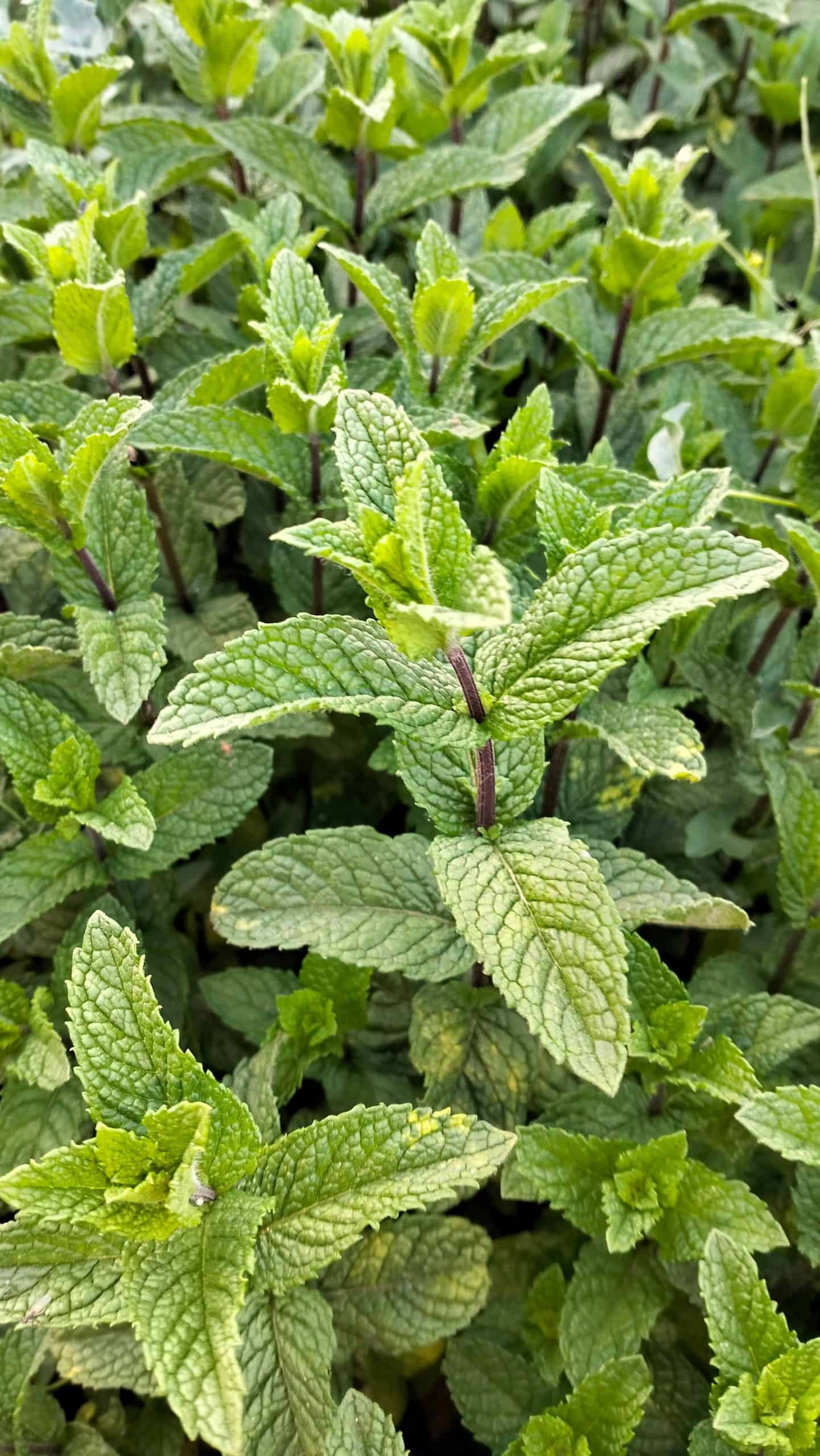
Spearmint (Mentha spicata) Essential Oil: Benefits and Uses
Spearmint (Mentha spicata) essential oil is a steam-distilled oil obtained from the leaves and flowering tops of the plant, a perennial herb native to Europe and south-west Asia and now widely cultivated. It is also known as garden spearmint, green mint or lamb mint. The oil has a sweet, mild, fresh minty aroma that is softer, greener and less sharp than peppermint, with little of the intense cooling sensation associated with high menthol content.
Its characteristic fragrance and many of its properties derive primarily from carvone (typically 50–70 % or higher), together with limonene, dihydrocarvone, 1,8-cineole, β-myrcene and other monoterpenes. Spearmint contains far less menthol than peppermint oil, making it a gentler option for many applications. The oil ranges from colourless to pale yellow or pale olive. Spearmint, its extracts and the oil are generally recognised as safe (GRAS) by the FDA for appropriate uses, though the concentrated essential oil requires careful handling.
Brief History and Traditional Use
Spearmint is regarded as one of the oldest members of the mint family. Records of its use for digestive disturbances date back to ancient Babylon (around 1800 BC). The ancient Greeks employed it to freshen the atmosphere of homes, aromatise baths and support strength and focus; Roman and later European herbalists valued it for nausea, indigestion, respiratory complaints and headaches. In the Middle Ages it appeared in early mouthwash recommendations. Ayurvedic tradition has long used it for digestion and skin comfort. Its hybridisation with water mint produced peppermint. Today it remains a popular culinary herb (notably in sauces, salads, teas and cocktails such as the mojito) as well as a flavouring and aromatic oil.
Key Potential Benefits
Evidence draws on traditional use, laboratory studies, animal research and limited human trials (often involving extracts or tea rather than the pure essential oil). Results are promising in several areas but generally modest; more robust clinical trials are needed. Stronger findings on memory, joint comfort or hormone modulation typically relate to polyphenol-rich spearmint tea or specialised extracts rather than the essential oil alone.
- Digestive support — Traditionally used for indigestion, bloating, gas, nausea and abdominal discomfort. It possesses carminative and antispasmodic properties. Some research supports reduced flatulence and abdominal pain in specific contexts; aromatic or topical use has been examined for nausea.
- Mild analgesic and anti-inflammatory effects — Properly diluted topical application may ease joint or muscle discomfort. Constituents such as carvone contribute to these activities.
- Antimicrobial and oral-health properties — Laboratory studies demonstrate antibacterial and antifungal activity (including against Staphylococcus aureus and certain Candida species). It is widely used in oral-care products for freshening breath and supporting hygiene.
- Antioxidant activity — The oil and its constituents show free-radical scavenging effects in laboratory assays.
- Respiratory comfort — Traditional use for colds, coughs, congestion and sinus issues; it may act as a mild decongestant or mucolytic when inhaled.
- Mental refreshment and mood — The clean, uplifting aroma is employed in aromatherapy for mental clarity, reduced mental fatigue and mild stress relief.
- Skin and cosmetic applications — When diluted it offers a gentle cooling and refreshing effect and may support cleansing formulations.
- Other traditional or emerging uses — Insect-repellent properties in some formulations and potential metabolic or hormone-related effects noted more strongly with tea or extracts.
Common Uses
- Aromatherapy and diffusion — A few drops create a fresh, invigorating atmosphere conducive to alertness or daytime focus. It blends well with citrus oils (orange, lemon), lavender, rosemary, basil, eucalyptus or a small amount of peppermint.
- Topical (always diluted) — Massage oils for the digestive area, temples/neck for tension, or muscles and joints. Typical adult dilution is 0.5–1.5 % (roughly 3–9 drops per 30 ml carrier oil such as jojoba, sweet almond or fractionated coconut). Never apply undiluted.
- Inhalation — From the bottle, a tissue or personal inhaler for quick refreshment or nausea support.
- Oral care and personal products — Ingredient in natural toothpastes, mouthwashes, deodorants, soaps, body washes, shampoos and scalp formulations for its fresh scent and antimicrobial qualities.
- Household cleaning — Useful in DIY surface cleaners, floor solutions (with vinegar and water) or diluted sprays as a room freshener and mild insect repellent.
- Industrial flavouring — Used at low levels in chewing gum, confectionery, beverages and personal-care products. Pure essential oil is highly concentrated and not recommended for home culinary or internal use without expert guidance.
Spearmint versus Peppermint
| Aspect | Spearmint (Mentha spicata) | Peppermint (Mentha × piperita) |
|---|---|---|
| Main constituent | Carvone | Menthol and menthone |
| Aroma | Soft, sweet, herbaceous | Strong, sharp, intensely minty |
| Cooling sensation | Mild | Strong |
| Suitability | Gentler; often preferred for sensitive skin, children or elderly | More penetrating and stimulating |
Spearmint is frequently described as “the gentler mint oil”.
Safety and Precautions
Essential oils are highly concentrated. Always dilute for skin use and perform a patch test. Avoid contact with eyes, mucous membranes and undiluted application. It is generally well tolerated at recommended dilutions but may cause irritation or allergic reactions in sensitive individuals.
Do not use as a substitute for medical treatment. Consult a healthcare professional before use if pregnant, breastfeeding, treating children, or managing health conditions. Internal use of the pure essential oil is not advised without qualified supervision; prefer tea or food forms for internal benefits where appropriate. Pregnant women are often cautioned against its use because of traditional emmenagogue associations. Store out of reach of children. Choose pure, tested oils from reputable sources, as composition varies by growing region and chemotype.
Spearmint essential oil offers a milder, sweeter alternative to peppermint for those seeking minty benefits with less intensity. Its strongest traditional and practical support lies in digestive comfort, mild topical analgesia, antimicrobial and oral-care applications, and aromatic refreshment. When used thoughtfully and diluted correctly it remains a versatile and pleasant addition to natural wellness, personal-care and household routines.

The necessary caveat about essential oils