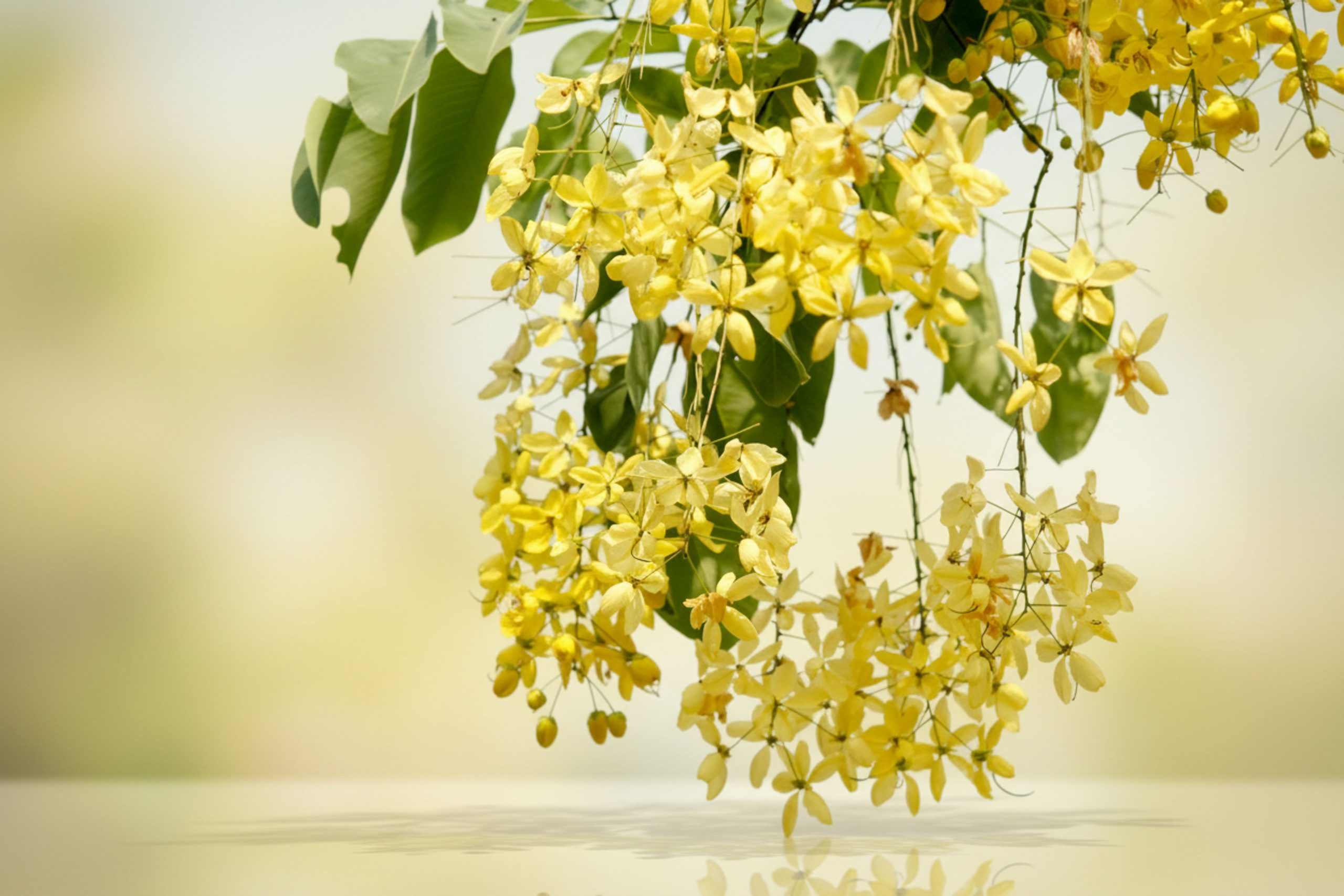
Ylang ylang (Cananga odorata) essential oil: benefits, uses and safety
Ylang ylang essential oil is obtained by steam distillation of the flowers of the tropical Cananga odorata tree (also known as the perfume tree), native to Southeast Asia. It has a rich, sweet, exotic floral aroma with soft fruity and slightly spicy notes. It is widely used in aromatherapy, natural perfumery, skincare, haircare and personal-care products.
Fractions arise from the distillation process: Extra (the most fragrant and potent early distillate), grades I–III (progressively milder), and Complete (a broader-spectrum blend of the fractions, or the uninterrupted distillate). Chemical composition varies by grade; major constituents often include linalool, benzyl acetate, geranyl acetate and β-caryophyllene.
Research on its effects is limited—mostly small human trials, laboratory and animal studies, and traditional use. Benefits should therefore be regarded as promising rather than conclusively proven for medical treatment. Always dilute for topical use and consult a healthcare professional before therapeutic application, especially if you have health conditions, are pregnant or breastfeeding, or take medication.
Key potential benefits
Relaxation, mood and stress support
Inhalation or topical use has been linked to calming effects. Small studies (including a 2004 randomised trial of 24 healthy volunteers and a 2006 transdermal study of 40 volunteers) reported reductions in blood pressure and pulse rate, increases in skin temperature, greater calmness and reduced alertness. It is traditionally used for anxiety, tension and mood support, though evidence for treating clinical anxiety or depression remains limited or mixed.
Cardiovascular support
Small studies (inhalation and blends, sometimes with lavender) have noted reductions in blood pressure and heart rate in healthy or hypertensive volunteers, apparently via autonomic nervous-system calming. It is not a substitute for medical treatment of hypertension.
Antimicrobial, anti-inflammatory and antioxidant activity
Laboratory studies show activity against certain bacteria (e.g. Staphylococcus aureus), fungi and biofilms, plus antioxidant effects. Animal and laboratory data suggest anti-inflammatory potential. Traditional and some modern uses include support for minor skin issues. Evidence for strong clinical effects is limited.
Skin and hair care
When properly diluted it is valued for helping balance sebum production, soothing irritation and supporting hair shine and conditioning. It appears in preparations for normal, combination, oily or dry skin and scalps. Evidence for robust acne treatment, anti-ageing or major hair-growth effects is limited; fragrance and mild conditioning properties are better supported. It carries a sensitisation risk.
Traditional and other uses
Historically regarded as an aphrodisiac and for promoting emotional openness. Other traditional applications include support for stress-related discomfort, insect-repellent activity, and folk uses for conditions such as gout, malaria, asthma and bladder issues. Laboratory and animal data exist for some of these (e.g. possible wound-healing effects linked to isoeugenol, mosquito-repellent activity), but human clinical evidence is sparse.
Common uses
- Aromatherapy/diffusion: A few drops in a diffuser for a calming or uplifting atmosphere (use sparingly—the scent is intense).
- Topical/massage: Diluted in a carrier oil (e.g. jojoba or sweet almond) for massage, pulse points or chest application. Typical adult guidance for leave-on products is low dilution (often ≤0.5–1 %; follow product-specific advice).
- Skincare and haircare: Added in low amounts to lotions, serums, hair oils, shampoos or rinses for fragrance and mild conditioning. Patch-test first.
- Natural perfume and blends: A classic middle/base floral note that pairs well with citrus (bergamot, sweet orange, grapefruit, lemon), florals (lavender, geranium, jasmine, neroli, rose), woods (sandalwood, patchouli) and frankincense.
- Baths and other: A few drops dispersed in a carrier or bath salts; also used in soaps, deodorants and, in tiny quantities, as a food flavouring (GRAS status for flavour use).
Safety and precautions
Ylang ylang has a higher sensitisation risk than many oils because it contains potential allergens such as isoeugenol, linalool and benzyl acetate. It can cause contact dermatitis, especially with repeated or occupational exposure. Always dilute; perform a patch test; never use undiluted on the skin. Avoid contact with eyes and mucous membranes.
It is not recommended for internal medicinal use without professional guidance. Food-flavour quantities are minute. Safety data for therapeutic amounts during pregnancy, breastfeeding or in children are insufficient—avoid or use only under guidance. It is toxic to cats and dogs (ingestion or skin contact); keep away from pets. It may cause photosensitivity or eye irritation in sensitive individuals. Start with very low amounts and discontinue if irritation occurs. It is not a replacement for prescribed treatments.
Choose high-quality, pure oil from reputable suppliers and store it in a cool, dark place.
In summary, ylang ylang essential oil is a versatile aromatic ingredient valued for its calming, mood-supporting and cosmetic properties. While traditional use and preliminary research are encouraging, larger rigorous trials are still needed for many claimed benefits. Responsible, diluted use and professional advice where appropriate remain essential.

The necessary caveat about essential oils